1. Home
  2. Treatments
  3. Ventricular Tachycardia

Everything You Need To Know About Ventricular Tachycardia Treatment

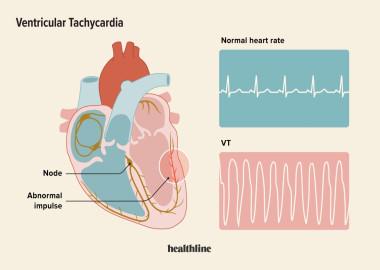
Ventricular tachycardia refers to an abnormal heart rhythm which occurs when you have abnormal electrical signals in the heart’s lower chambers. These prevent normal heartbeat signals from getting through and let the heart beat so fast that it cannot pump enough blood to the entire body. On this page, we will learn more about ventricular tachycardia, such as what is ventricular tachycardia, what are the causes and symptoms of ventricular tachycardia, how to prepare for ventricular tachycardia treatment, who are the best doctors for ventricular tachycardia treatment in India, and which are the top hospitals for ventricular tachycardia treatment in India.

Reach out to world-class doctors for exceptional health care solutions

76

You must agree before submitting.

Table Of Index

What is Ventricular Tachycardia

What is Ventricular Tachycardia

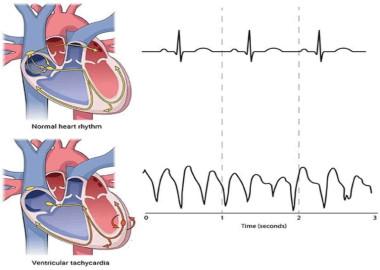
Ventricular tachycardia is a condition in which a person experiences very fast heart rhythm which tarts in the ventricles. The problem most commonly affects individuals who have heart disorders like coronary artery disease or cardiomyopathy. A heart rhythm is called ventricular tachycardia when the heart beats more than 100 times per minute, with at around ventricular heartbeats in a row. This condition is caused due to a malfunction in the heart’s electrical system. Ventricular tachycardia might only last for a few seconds or even much longer.

Causes and Symptoms

Causes

  • Heart valve disease
  • Certain inherited conditions
  • Imbalance in electrolytes
  • Heart surgery
  • Too much caffeine or alcohol
  • Recreational drugs
  • Prior heart attack
  • Poor blood flow to the heart

Symptoms

  • Chest pain
  • Rapid pulse
  • Difficulty breathing
  • Dizziness, lightheadedness
  • Tiredness
  • Anxiety
  • Fainting

Diagnosis

Event monitor: This is a type of portable EKG used outside of the doctor’s clinic. The doctor may ask to wear this device for up to 30 days or until you experience an irregular heart rhythm.

Implantable loop recorder: In this test, the doctor will place a small device under the skin. This will help monitor the heartbeat on a regular basis for as long as three years.

Holter monitor: This is a small portable device that a patient wears outside of the doctor’s office. This device can check the heart’s electrical activities off and on throughout the day. The doctor may suggest this test in case they suspect ventricular tachycardia but your EKG looks normal.

Imaging tests (MRI, CT, X-ray, echocardiogram): These imaging tests help have a closer look at the heart to reveal how well it is working or whether you have structural issues.

Risk & Complications

There may be some risks of catheter ablation performed for the treatment of Ventricular Tachycardia. Possible risks include damage to the vein from catheter, blood clots, infection or bleeding, damage to heart tissue/heart valves, and stroke. Bleeding or bruising can also be experienced. Risks of implantable cardioverter-defibrillator include collapsed lung, infections of the incision site, swelling and movement of the device, leading to tear of inteal tissues.

Preparation of Treatment

You will need to stop taking any medications that you have been earlier prescribed for your abnormal heart rhythm at least five days prior to the procedure. If you are taking anti-coagulation medication for blood thinning, such as warfarin, you should stop this for nearly one week before your surgery. You must fast for nearly 6 hours before the surgery.  If your surgery is scheduled in the afternoon, you might have a light early breakfast. If the procedure is scheduled in the morning, avoid drinking and eating after midnight, except for small sips of water to swallow your pills. You need to bring someone with you who can take you back to your home after discharge. You also need to stop smoking tobacco and consuming alcohol as these may interfere with your procedure and affect your recovery.

Best Doctors for Ventricular Tachycardia Treatment

undefined treatment

Dr. Sanjay Mittal

30+ Yrs. Exp.MBBS, MD, DMSenior Director of Clinical & Preventive Cardiology & Research

Best Hospitals for Ventricular Tachycardia Treatment

Fortis Escorts Heart Institute, Delhi

Fortis Escorts Heart Institute, Delhi

Fortis Escorts Heart Institute, Delhi Okhla Road, New Delhi - 110 025 (INDIA)

Prevention

How to prevent Ventricular Tachycardia?

Avoiding the heart problems which triggers ventricular tachycardia might reduce your overall risk of developing it. You need to protect yourself from coronary artery disease, which is considered the most common cause of ventricular tachycardia. This can be achieved by the below-given ways:

Exercise regularly: Do exercise for nearly 30 minutes daily. Consult your healthcare team for safe exercises for you.

Keep your weight normal: Increasing weight raises the risk of heart disease. Check with your care team to fix realistic goals for optimum body mass index and weight.

Follow a balanced diet: Follow a healthy diet low in salt and fats and rich in vegetables, fruits and whole grains.

Manage stress: Stress may lead to fast heart beat. Doing more exercise, connecting with people in support groups and practicing mindfulness are some proven ways to reduce and manage stress.

Control blood pressure and cholesterol: High cholesterol and high blood pressure highten the risk of various heart diseases. Making lifestyle changes and taking medicines as suggested to control high blood pressure or high cholesterol are essential.

Limit alcohol intake: If you consume alcohol, you need to do so in moderation.

Stop tobacco smoking: Smoking may cause various heart diseases. If you aim to stop smoking, consult a medical professional to seek help.

Get enough sleep: Insufficient sleep could increase the risk of heart diseases and other long-term health conditions. It is important for adults to have 7 to 9 hours of sleep daily. In case you have trouble sleeping, speak to a healthcare professional for help.

Treatment Option

Implantable cardioverter-defibrillator: This device is used to monitor and control the heart’s rhythm. If an episode of ventricular tachycardia is detected, the device quickly transmits an electrical signal to restore a normal rhythm.

Medications: Medications may be prescribed to slow your heart rate and maintain a normal rhythm. However, certain medications may be associated with serious side effects. Hence, your doctor will review the medicines prior to prescription.

Radiofrequency catheter ablation: After detecting the site where an abnormal rhythm begins, your doctor will use a catheter to kill tissues in that area with the help of electrical current.

Cost of the treatment

Cost of Ventricular Tachycardia treatment

The cost of Ventricular Tachycardia treatment in India in ranges from $4000 to $8000. However, the cost of Ventricular Tachycardia treatment in India will vary from one person to another depending on numerous factors like age of the patient, treatment technique used, facilities availed, type of hospital, and experience of doctors. The cost of Ventricular Tachycardia in India is lower compared to many other countries across the globe.

Recovery

Recovery after Ventricular Tachycardia treatment

How much time it takes to recover after Ventricular Tachycardia treatment depends upon whether the patient had a hybrid procedure, catheter ablation or surgical ablation. The recovery may take a few days, some weeks, or even a few months. The patient might continue to experience arrhythmia as the heart tissue heals. This is normal after any heart surgery. The patient can expect the arrhythmias to subside within three months. If catheter ablation is used to treat Ventricular Tachycardia, the patient will likely return to work a day or 2 after the procedure. If the patient's job requires any physical labor, they might need a few extra days to return to work. After surgery, the patient needs to avoid heavy lifting and strenuous exercise for around three days.

Recovery

Frequently Asked Questions About Ventricular Tachycardia

Sustained ventricular tachycardia refers to tachycardia which continues for more than 30 seconds or results in hemodynamic compromise in 30 seconds and will require intervention. Moreover, non-sustained ventricular tachycardia generally lasts less than 30 seconds and will not cause hemodynamic instability.

Ventricular tachycardia, also sometimes called V-tach or VT, is grouped based on the duration of an episode. Nonsustained V-tach will stop on its own within 30 seconds. Moreover, brief episodes might not cause any symptoms. Sustained ventricular tachycardia generally lasts more than 30 seconds.

Ventricular tachycardia mostly happens when heart muscles are damaged and scar tissues produce abnormal electrical pathway in the ventricles.

If ventricular tachycardia occurs due to an underlying serious heart condition, it can be life-threatening if not treated immediately. Emergency treatment is provided. Generally, a defibrillator is used to provide an electrical shock hich converts the fast heartbeat into a normal heart rhythm.

Our world-class medical experts would be happy to assist you.
or Call

Made in NextJs 13, by Digital Transformation Agency - Ima-appweb.com