1. Home
  2. Treatments
  3. Liver Cancer

Everything You Need To Know About Liver Cancer Treatment

The liver may be affected by primary liver cancer that arises in the liver, or metastatic or secondary cancer, which originates at any other part in the body. Various types of cancer can develop in the liver. Hepatocellular carcinoma is considered the most common kind of liver cancer. This article looks at various topics about liver cancer, such as what is liver cancer, how to prepare for liver cancer, what are the complications of liver cancer, what is the cost of liver cancer treatment in India, which are the best hospitals for liver cancer in India, and who are the top oncologists for liver cancer in India.

Reach out to world-class doctors for exceptional health care solutions

38

You must agree before submitting.

Table Of Index

What is liver cancer?

What is liver cancer?

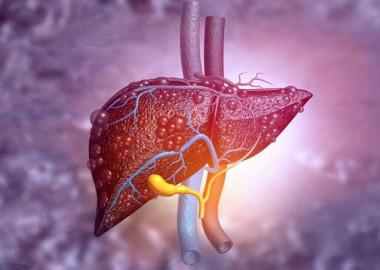
Liver cancer is a disease wherein cancer cells form in tissues of the liver. Cancer that develops in other parts of the body and then spreads to the liver isn’t primary liver cancer. There are various types of cancer which can develop in the liver. Cancer which spreads to liver is more common than the cancer which starts in liver cells. Cancer which starts in another area of the body and then spreads to the liver is known as metastatic cancer. There are 2 kinds of liver cancer known as primary liver cancer and secondary liver cancer. Primary liver cancer starts in the liver. Secondary cancer spreads to the liver from another part of the body.

Types of liver cancer

Hepatocellular carcinoma: Hepatocellular carcinoma (or HCC) is a common type of liver cancer. Nearly 85-90% of primary liver cancers are of HCC type. This condition occurs in hepatocytes that are the main cells of the liver. HCC is much more likely to develop in individuals who have long-term hepatitis or cirrhosis. 

Cholangiocarcinoma: Also known as bile duct cancer, cholangiocarcinoma develops in the tube-like bile ducts in the liver. These ducts transport bile to the gallbladder to help in digestion. When the cancer starts in the section of the ducts in the liver, it is known as intrahepatic bile duct cancer. In case the cancer starts in the section of the ducts outside the liver, it is known as extrahepatic bile duct cancer.

Liver angiosarcoma: Liver angiosarcoma is a rare form of liver cancer that starts in the blood vessels of the liver. This type of cancer progresses very quickly, so this is generally diagnosed at more advanced stages.

Hepatoblastoma: This is a rare type of liver cancer. This is found mostly in children. With chemotherapy and surgery, hepatoblastoma can be treated nearly 70% of the time.

Causes and Symptoms

Causes

  • Obesity
  • Long-term hepatitis B virus /hepatitis C virus infection
  • Drinking alcohol & Smoking
  • Cirrhosis
  • Nonalcoholic fatty liver disease
  • Diabetes, hemochromatosis

Symptoms

  • Discomfort in the upper abdomen
  • Swollen abdomen, weight loss
  • Lumps just below rib cage on right side
  • Pain around the right shoulder blade
  • Jaundice, loss of appetite
  • Unusual tiredness, nausea/vomiting
  • Easy bruising/ bleeding

Diagnosis

Liver function tests: These tests help doctor determine the overall health of the liver by finding the levels of liver enzymes, proteins, and bilirubin in the blood.

Alpha-fetoprotein (AFP) test: Any presence of AFP in the blood can indicate liver cancer. This protein is generally produced in the yolk sac and liver of a developing fetus. The production of AFP stops after birth.

Imaging tests: Abdominal ultrasounds, MRI scans or CT scans produce detailed pictures of liver and other organs in the abdomen. These tests can help doctor find where the tumor is developing, determine the size, and evaluate whether the cancer has spread to other organs.

Liver biopsy: If the doctor has assessed your other test results and the cause of the condition is still unknown, biopsy will be needed. Liver biopsy will involve removing small sample of liver tissues. It is often done using anesthesia.

Angiogram: This test will help the doctor examine the liver’s blood vessels. In this test, a dye is injected into an artery to track blood vessel activities and look for blockages.

Risk & Complications

Fatigue: The is a common effect of liver cancer treatment. This fatigue will be different than the kind healthy individuals experience. It can be experienced after any type of cancer treatment.

Pain: Tumor, surgery, and other treatments may some cause pain with cancer.

Low blood counts: Several chemotherapy drugs can cause low red and white blood cells, leading to a high risk for anemia and infection.

Nausea and vomiting: The patient may experience vomiting and nausea after liver cancer treatment. 

Peripheral neuropathy: Chemotherapy-induced peripheral neuropathy refers to a set of symptoms experienced by damage to nerves which control the sensation of the hands and feet, leafing to tingling, numbness and pain.

Sleep disorders: More common in individual with cancer, sleep might be disturbed by cancer, pain, and certain drugs used for treatment.

Preparation of Treatment

An important way to prepare for liver cancer treatment is to be in good health. This will include eating well, staying active and getting enough sleep. If you have some risk factors, including tobacco use and alcohol consumption, the patient is required to quit them before surgery is scheduled. You need to tell your doctor any medications you are taking to thin your blood or prevent blood clots. Your doctor may ask you to change some medications or stop taking them before your surgery. Avoid drinking or eating anything after the midnight before the procedure. You also need to do some mild exercises to boost blood circulation in the body. Take enough rest and avoid any kind of stress.

No Doctors found ...
No Hospitals found ...
Prevention of liver cancer

How to prevent liver cancer?

Vaccinate children against hepatitis B: The HBV vaccine is highly recommended for all infants and children up to the age of 18 years.

Treat hepatitis C: Though there is no vaccine for hepatitis C, the infection can be cured using an antiviral treatment, and most individuals with it will show a normal life expectancy.

Limit alcohol and tobacco use: Drinking is a big risk factor for cirrhosis as well as liver cancer. Tobacco also significantly raises the risk of liver cancer.

Maintain a healthy weight: Avoiding weight gain can lower the risk of fatty liver disease, which is associated with liver cancer.

Avoid high-risk behavior: As viral hepatitis B and C spread through bodily fluids, any high-risk behavior that increases spread of the diseases must be avoided. This generally includes using contaminated needles and having unprotected sex, other than with your regular partner.

Treatment Option

Surgery: Surgery is a common treatment option for liver cancer, especially when the patient is in good health and cancer is small. There are 2 main kinds of surgery for liver cancer - liver transplant and partial hepatectomy. Partial hepatectomy involves removing tumors and a small part of healthy liver tissues surrounding it. A liver transplant is a surgical treatment option in which the whole liver will be replaced by a healthy one via surgery. Liver transplant is a treatment option only for a small number of people with liver cancer. It is generally considered for individuals with early-stage liver cancer who are healthy.

Radiotherapy: This liver cancer treatment will use high-intensity energy from sources like X-rays and protons to destroy all cancer cells. Doctors will carefully radiate the energy to the liver, while sparing the nearby healthy tissues. In external beam radiation therapy, a machine directs the radiation beams at a precise point on the body. A specialized type of radiation therapy, known as stereotactic radiosurgery, will involve focusing several beams of radiation simultaneously at just one point in the body.

Chemotherapy: This type of liver cancer treatment option is used to destroy cancer cells by using a substance or pills which travels through body. Chemoembolization of the hepatic artery is another method in which the artery is blocked completely to starve the tumor of blood. It is usually done by mixing a chemotherapy drug with another substance.

Targeted Drug Therapy: Targeted drug therapy is a kind of cancer treatment which uses drugs to destroy specific parts of cancer cells. It can help kill the cancer cells without harming nearby healthy cells. There are different targeted drug therapies available for the treatment of liver cancer. Some of these drugs will only work for individuals where cancer cells have some gene changes.

Cost of the treatment

Cost of liver cancer treatment

The cost of liver cancer treatment in India begins from $800. Liver cancer treatment cost in India is much lower than in other developed countries. Cost effective liver cancer treatment in India is made possible in part by advanced medical technologies, state-of-art infrastructure, and highly experienced oncologists and surgeons. One of the major factors that boosts the country’s reputation abroad is its ability to offer affordable liver cancer treatment without compromising quality and clinical standards.

Frequently Asked Questions About Liver Cancer

Liver cancer may spread fast depending on the type of cancer. Angiosarcoma and hemangiosarcoma types of liver cancer are fast spreading, but hepatocellular carcinoma spreads slowly.

People with stage 4 liver cancer might experience worse symptoms like increasing jaundice, difficulty eating, pain and strong fatigue. Patients must talk to their doctor about how to manage these symptoms to improve their quality of life.

A swollen abdomen may lead to pain or discomfort, as well as a loss of appetite and feeling full quickly. A swollen liver could cause pain in the right shoulder. This is because an enlarged liver stimulates nerves which connect to nerves in your shoulder.

If liver cancer is detected early, is small and has not spread yet, the patient can have surgery to remove it. Surgery can remove part or all of the liver. If it is completely removed, the patient will need a liver transplant to replace the removed liver. Recovery after surgery to treat liver cancer may take a long time.
Our world-class medical experts would be happy to assist you.
or Call

Made in NextJs 13, by Digital Transformation Agency - Ima-appweb.com