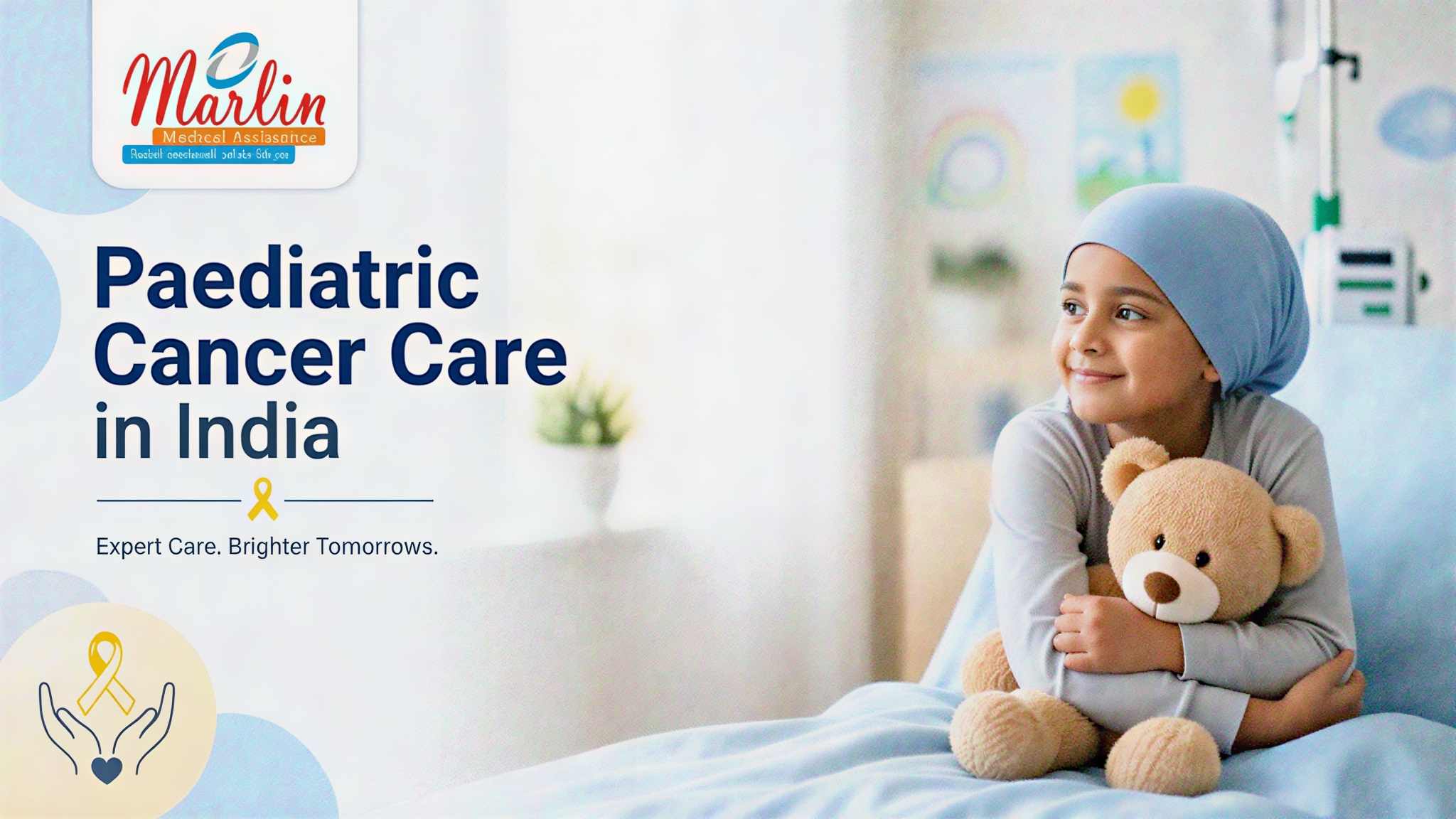
In the past few decades, treatment options for pediatric cancer in India have really opened up. At present, children suffering from cancer have access to cutting-edge therapies at a cost which is a lot lower than what they would have to pay if they did their treatment in the Western countries. The major medical facilities in India are not only deeply equipped but also stand ready to provide the complete pediatric cancer care covering chemotherapy, surgery, radiotherapy, bone marrow transplantation, and supportive care. Really, all these services are In particular tailor-made for the children. A unit of pediatric oncologists, surgeons, nurses and rehabilitation specialists not only results in increased survival rates but also to betterment of the quality of life of the patients. As the reports, by 2026, India still remained to be the most popular destination for families seeking quality and affordable cancer treatment combined with top-of-the-line technology, a caring environment, and well-rounded treatment protocols.
Why India for Paediatric Oncology?
High volume paediatric oncology experience
High-volume paediatric oncology experience is one of the most compelling reasons why families from all over the world choose India for paediatric cancer treatment. Major cancer centres in India each year diagnose and treat thousands of children with cancer. The multidisciplinary teams gain very rich and extensive experience in handling a wide variety of childhood malignancies. Seeing such a high number of patients enables oncologists, surgeons, radiation specialists, pathologists, and supportive care teams to get really good at clinical management of both common and uncommon paediatric cancers.
Despite excellent rates of long-term survival achieved for pediatric cancers in high-income countries, outcomes in low- to middle-income and upper-middle-income countries are substantially inferior.
Indian hospitals, in general, are very familiar with treating diseases like acute lymphoblastic leukaemia (ALL), acute myeloid leukaemia (AML) neuroblastoma, Wilms tumour, retinoblastoma osteosarcoma, Ewing sarcoma, Hodgkin lymphoma, and brain tumours. The specialists working with very high volumes of cases can continuously enhance their treatment regimens, identify complications at very early stages, and provide care which is based on a solid evidence base and aligned with international standards. Also, high-volume centres invest in the development of specialized infrastructure for paediatric oncology such as paediatric intensive care units, bone marrow transplant programmes, advanced diagnostic laboratories, and child-friendly treatment environments. All these facilities help in significant improvements in treatment outcomes and safer administration of intensive therapies. Besides, many top hospitals are actively involved in clinical research, participation in tumour boards, and international collaborations that lead to the availability of the forefront of childhood cancer care.
Yet another plus of having very high patient volumes which can be noticed is the presence of highly experienced supportive care services. Nutritionists, psychologists, rehabilitation experts, infection-control teams, and paediatric oncology nurses are the ones who make sure the children's physical and emotional needs are satisfied throughout the treatment process.
Family-centred care and parent accommodation
For many families considering treatment overseas, medical skills alone would not suffice-they would also require emotional support and comfort. The ability to remain closely involved in their child's care is very crucial to them. One of the major reasons why India has emerged as the top destination for paediatric oncology is the country's commitment to family-centred care and parental accommodation. Indian paediatric cancer institutes acknowledge that parents are the mainstay of the child's treatment and care. Hospitals promote family involvement not only in deciding, and planning for the treatment but also in the daily care activities. Besides oncologists and nurses, the hospital team may also have psychologists, nutritionists, and social workers, who together will also be involved in educating the parents about the diagnosis, options of treatment, potential side effects, and long-term follow-up requirements. This joint effort lessens the stress and enables the families to cope with the treatment process.
Nearly all the leading paediatric oncology hospitals in India provide parent accommodation facilities that allow one or both parents to stay with the child. And a hospital bed for parents, waiting areas, lounges for families, and accommodation support services are the types of amenities you can expect during a hospital stay. And, a few hospitals provide families coming from other cities/countries with reasonably priced guest houses, transit stays, and financial help through their collaboration with charitable organizations and patient-support groups
International patients are supported by specialized coordinators who take care of their visa support, airport transfers, language interpretation, accommodation arrangements, and local logistics. Parents are relieved from their worries and can because of this give more attention to their child's healing process.
Child-friendly hospital environments
When a child is diagnosed with cancer, medical treatment alone will not be enough; support in the form of an environment that alleviates fear, anxiety, and emotional stress is necessary too. Today, many top paediatric oncology centres in India have created child-friendly hospital spaces as an integral part of the design to promote the physical, psychological, and social health of children receiving treatment.
Paediatric cancer wards are fitted with cheerful colours, vibrant themes, and interesting surroundings that can put children at ease even in the presence of medical instruments and equipment. Separate play areas, activity rooms, libraries, and leisure spaces give children opportunities to keep up with their learning and playing and have social contact with peers during long hospital stays. Such arrangements are instrumental in maintaining a sense of normalcy and enhancing the overall quality of life during treatment.
Child life specialists, psychologists, counsellors, and social workers are some of the professionals that Indian hospitals are resorting to for a multidisciplinary team of caregivers. Using methods like therapeutic play, art therapy, and emotional support programs in combination with age-appropriate communication, the main aim of these individuals is to help children manage their treatment and get accustomed to the cancer care challenges.
Indian paediatric oncology hospitals strive to make the treatment experience less scary and more caring by merging advanced cancer treatment with supportive, child-focused environments. Such excellent cancer care facilities help children feel safe and supported and give them a sense of control over their treatments.
Common Childhood Cancers Treated in India
ALL (most common paediatric cancer) - 90% remission possible
Acute Lymphoblastic Leukemia (ALL) is the most common cancer in children worldwide and accounts for about a quarter of all childhood cancers. It is a blood and bone marrow cancer that arises when immature white blood cells (lymphoblasts) multiply without control. While ALL is more common in children aged 2-10, it can be diagnosed at any age.
More specific risk stratification and treatment allocation have led to improvements in survival from 10% in the 1960s to current survival rates of more than 90%2.
The silver lining is that ALL is among the most curable child cancers. Thanks to contemporary treatment plans, newer supportive care methods, and accurate/early diagnosis, healing rates can be 90% or even higher in many cases. Clearance of blasts from the marrow after treatment defines remission since the disease becomes undetectable and patients can return to normal life and enjoy their healthy future.
The treatment of ALL in most cases is chemotherapy, in different phases, the total treatment period usually lasts around two to three years. Based on the child's risk level and how they respond to chemotherapy, doctors may also suggest other treatments like targeted therapy, immunotherapy, or bone marrow transplantation. Continuous follow-up helps medical professionals to determine how well the treatment is working and to catch any relapse early.
Children's leukemia treatment in India do have the highest standard of care. Indian children's cancer centres are second to none with the availability of world-class pediatric oncologists and the use of treatment protocols that are recognized internationally - all these leading India to be a preferred destination for leukemia treatment. Besides that, most hospitals offer children-friendly environment, psychological support, nutritional counselling, and family accommodation facilities.
By combining the early diagnosis, specialized treatment, and robust family support, a majority of children diagnosed with ALL are capable of long-term remission and a healthy lifestyle.
Wilms Tumour, Neuroblastoma, Retinoblastoma
Hospitals in India that focus exclusively on paediatric oncology often handle rare childhood cancers like Wilms tumour, neuroblastoma, and retinoblastoma as part of their routine work.
Wilms tumor (also called nephroblastoma) starts in one or both kidneys. Neuroblastoma is a cancer of immature nerve cells. Retinoblastoma starts in the retina, the back part of the eye.
Wilms tumour or nephroblastoma is a kidney cancer, mostly affecting children below 5 years of age which is also one of the most treatable paediatric solid tumours. Treatment regimens generally involve surgical procedure for removal of the affected kidney with chemotherapy and, radiation in some cases. If therapy is initiated without delay, survival rates can go as high as 85-90% or more for cases localized to a single site.
Neuroblastoma is an extra-cranial solid tumour which arises from primitive nerve cells and it commonly resides in the abdomen, chest, neck, or spine. It is amongst the highest ranking cancers of infancy and early childhood. Based on disease stage and risk, a treatment plan is drawn up that may include surgery, chemotherapy, stem cell transplant, immunotherapy and radiation therapy. Most pediatric cancer hospitals in India offer a comprehensive treatment package that is risk-based and complies with international standards.
Retinoblastoma is a very rare eye cancer that generally affects children under five years of age. It is more efficacious if diagnosed at the early stage since, aside from saving the child's life, the treatment can also save the eyesight. Hospitals in India possess the capacity to carry out modern and advanced treatment options including focal laser treatment, cryotherapy, intra-arterial chemotherapy, intravitreal chemotherapy, and whenever possible, eye-preserving methods. When cases are extremely advanced, surgical treatment is necessary.
Alongside a vast repository of skilled paediatric oncologists, a tightly-knit network of capable surgeons, state-of-the-art machinery and relatively low treatment costs, India has emerged as a new favoured destination for the treatment of these childhood cancers where survival outcomes are top-notch and have long-term follow-up care facility.
Paediatric brain tumours
Brain tumours in children, after leukaemia, are the second most frequent type of cancer in childhood and constitute a leading cause of morbidity and mortality due to cancer in children. The tumours arise within the brain or the spinal cord and, because of this, affect essential human functions like movement, vision, speech, balance, and learning. Each of the types mentioned - medulloblastoma, low-grade glioma, ependymoma, and high-grade glioma - represents a different variety of brain tumour. If a tumour is growing, some of the symptoms might be severe headaches that are present for a long time vomiting, fits, problems with walking, deterioration of eyesight, or a change in the person's behaviour.
Advances in molecular and genomic techniques have significantly improved our understanding of pediatric brain tumors and enabled the development of targeted therapies directed at specific genetic alterations4.
Diagnosis and treatment of paediatric brain tumours in India have been very successful so far. Advanced neuroimaging, molecular diagnostics, specialised paediatric neurosurgery, precision radiation therapy, and multidisciplinary care are now regularly being offered by top cancer centres and children's hospitals. Each case of paediatric brain tumour is unique, and that's why diagnosis, size, location, and the child's age will determine the treatment. Surgery, which is usually the first step, tries to get rid of the tumour as much as possible without endangering the patient. Additional treatment in the form of chemotherapy, radiation therapy, or targeted therapies may be prescribed based on the tumour type and other diagnostic factors.
Implementation of newer technologies such as neuronavigation, intraoperative MRI, stereotactic radiosurgery, and proton therapy (at very few centres) has resulted in the patient's treatment being more accurate while brain tissues that are healthy are better preserved. Just as critical are rehabilitation services, including physiotherapy, occupational therapy, speech therapy, and neuropsychological support, which help kids recover function and have a good quality of life.
Costs and Financial Support for Families
Paediatric treatment costs 30–50% below adult oncology
One major benefit of paediatric cancer treatment in India is that it is by a lot cheaper compared to many types of adult cancers Usually, paediatric oncology can be even 30-50% cheaper than complex adult cancer treatment as children usually have different treatment protocols, lower medication dosages, and for some cancers, less time going through treatment. This financial benefit reinforces that high-quality care is more reachable for cancer patients without being burdened with huge costs that usually come with cancer treatment.
Certain childhood cancers like acute lymphoblastic leukemia (ALL), Wilms tumor, retinoblastoma, and many lymphomas have excellent response to well-established and cost-effective treatment protocols. Majority of Indian hospitals provide comprehensive treatment packages that include diagnostics, chemotherapy, surgery, radiation therapy (when required), hospital stays, and supportive care at a fraction of the cost of Western countries. India's paediatric oncology infrastructure is another reason why treatment here is more affordable. Large cancer centres treating thousands of children annually allow hospitals to optimize the use of their resources, keep up the specialized teams and continue delivering the care efficiently. Availability of both locally made medicines and generic drugs further leads to lowering treatment costs while retaining international quality standards.
Besides, there are many financial support options that families can leverage. Government health schemes, charitable foundations, social work departments in hospitals, and non-profit organizations are usually the ones giving support to eligible patients. Some offer subsidized accommodation, nutritious food, transportation support, and grants to cover treatment, all of which contribute to easing the burden that comes with long treatment duration.
Charity support options for families in need
Aiding families who are emotionally and financially strained with childhood cancer treatment, charities and hospital-based support programs can be a great resource. In India, numerous paediatric oncology centres team up with non-profit foundations, donor networks, and community groups to assist families in handling the costs of treatment.
Financial aid may be directed towards various needs like chemotherapy, surgical operations, diagnostic procedures, blood products, drugs, nutritional supplements and rehabilitation services. Some charitable organizations take one step further by providing accommodation, transportation and daily living expense assistance to families who have to travel long distances to avail specialized cancer care. It is through such generous giving that the financial worries of the parents are greatly lessened and they begin the journey of hope with the child's recovery.
Many hospitals feature social work departments specially trained to analyze a family's financial condition and correspondingly make connections to the most appropriate funding programmes. This staff makes it easier for families in applying for governmental set health programmes, grants, trust support, fundraising from the public, etc. Usually, through collaborations of hospitals and philanthropic institutions, the costs of treatment can be subsidized either partially or fully.
Any international patients looking forward to paediatric cancer treatment in India may be fortunate to encounter hospital-sponsored help programs, discounted treatment packages, or be given a credit to charitable organisations that support cancer-stricken children. Certain organizations devote their whole focus on granting underprivileged families access to life-saving treatments without noting their economic background, while others may prioritize similar approaches for their local patients.