
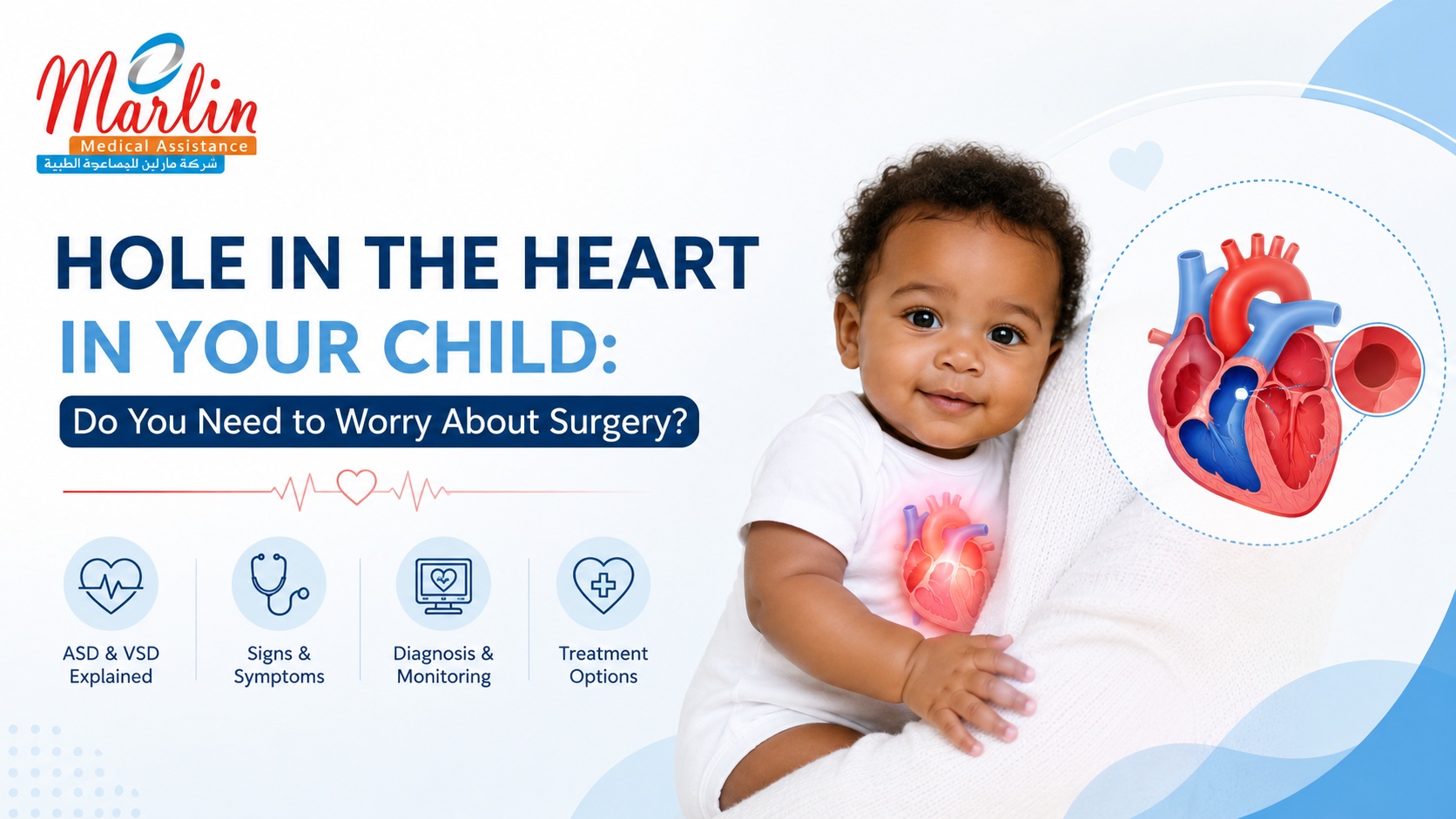
Hole Finding out hole in heart child can feel like the ground just shifted under you. Breathe first…many holes resolve on their own. And even those that don't, a procedure today is far safer and much less complex than it once was. Asd Vsd treatment- What to Expect.
What Is a Hole in the Heart? - ASD vs VSD Explained
Your heart has four chambers which are separated from each other by a wall of muscle. During blood flow, it keeps the blood moving in the correct direction. Sometimes, before a baby is born, the Septum (muscle wall) that separates the chambers does not form fully.
This is called a Septal defect. Doctors may refer to it as a hole in the heart.
There are two main types:
- Atrial septal defect (ASD):a hole in the wall separating the upper heart chambers.
- Ventricular septal defect (VSD): an opening between the right and left ventricles.
A Ventricular septal defect is the most common heart defect babies are born with. An atrial septal defect child usually presents with no symptoms early in life. Occasionally, it is not diagnosed until much later.
Both kinds allow blood to flow into places it shouldn't. A tiny opening might not be a problem. A large opening puts extra strain on the heart-which is when things can go wrong.
Quick observation: This hole is often diagnosed initially because a physician heard a "murmur" on a routine visit, not because the baby was noticeably symptomatic.
Most of the time, a doctor will be unable to tell you why it happened. The heart is just one of those that develops in this way when the baby is still inside the mother, often even in the first few weeks after conception. There's nothing you did that caused it.
It's just how this heart was formed.
Things such as having certain infections during pregnancy or a family history of heart problems can increase the risk slightly. But often there is no explanation.
Another thing that the doctors consider is if there are other differences to your heart; for example, if there is just the hole on its own, it is a simple case, and the treatment is normally simple.
Do All Holes in the Heart Need Treatment?
No. Not each hole requires surgical correction. Very small holes, such as a small VSD, are unlikely to remain open and will typically close in size as your child continues to develop.
Here's a simple way to think about it:
- Pinholes - Generally just monitored with ongoing investigations.
- Medium holes - Some fill in by themselves eventually. Certain ones require attention down the road.
- Large holes- Commonly require treatment because they put pressure on the lungs and heart.
The cardiologist for your children will consider the size and location, as well as how well the heart and the lungs are tolerating it. No two children are the same, so the doctor makes the decision based on your child and not by a standard.
You may also find it reassuring that "watching" is not equivalent to doing nothing. There will still be regular appointments with your child's doctor. Growth, weight and activity level will be monitored. Problems will be detected early and dealt with promptly.
Statistics Callout: 7-10% of all cases of congenital heart disease worldwide are atrial septal defects and they are the most common type to be discovered in adults as many remain asymptomatic for years (World Heart Federation, World Heart Report 2026).
Signs That a Septal Defect Needs Intervention
Keep an eye out for these symptoms. They could suggest that the heart is having difficulty:
- Fast/hard breathing, even between periods of exertion
- Lack of weight gain or too much difficulty in finishing feeds
- Fatigues easily while feeding or playing
- Frequent chest infections
- Sweating during feeds
- Serious cases: Gums turning blue, lips turning blue, tip turning blue
If you notice any of these symptoms in your child, don't wait until next physical exam; call your doctor now. Early detection can make treatment less burdensome.
How do doctors know it really is a septal defect? They will probably do an echocardiogram, which is an ultrasound picture of the heart and doesn't pain your child at all. This is the same test that causes the hole to be first found. Other hospitals will carry out an X-ray of the chest or an ECG as well to see how the heart and lungs are getting on.
These tests don't cause any pain to your child. In fact, most babies will sleep during the scan, and you'll get the results on the same day.
For clarity, a bunch of these symptoms will not be present in many of the children with hole in heart baby treatment plan. This is precisely why follow-up scans are just as important as any of the signals you spot at home.
Catheter-Based Closure - The Minimally Invasive Option
Open surgery is not essential for every hole. Most ASDs, and some VSDs, can be closed using a fine tube known as a catheter. The catheter is threaded through the blood vessel in your leg up to the heart.
Here's why this option is popular:
- The chest is not cut open - the heart remains intact.
- Lower length of stay in the hospital, usually only a day or two
- Better recovery, return to baseline in about a week.
- Less prone to infection compared to an open surgical procedure
A tiny device is fitted across the opening to occlude it. Eventually, the tissue of the heart grows over the device so that it is permanently held in place.
This procedure is known as ASD catheter closure. The procedure is preferred if the size and shape of the hole suit it. Not all holes can be closed with this technique, and your cardiologist will need to determine whether this is possible in your child's case.
A mild sedation will be administered to your child to ensure they are calm and stay still. Most children will go home the day after the operation and will be able to return to school after one week.
Open Heart Surgery for ASD/VSD - When and What to Expect
Certain holes are either too large or positioned wrong, such that a catheter device would not work. With such holes, surgery by an open-heart surgeon is the best route.
In some operations it is necessary to temporarily stop the heart. During this time the blood is pumped by a machine. The holes are then sealed either by sewing them up or placing a small patch over them.
Here's what to expect:
- Duration of the operation: a few hours
- Hospital stay: about a week
- Intensive care unit time: just one or two days after to observe closely
- Healing time: several weeks to a few months in most children
It is a big step, and it is. But this procedure has been safely performed for many years. Pediatric surgeons have years of experience repairing ASDs and VSDs and the surgical results are excellent and the best option for your child's future.
You can help your child recover by maintaining a gentle and relaxed environment. Most hospitals allow parents to remain near their children during recovery which can reduce their recovery time.
ASD and VSD Treatment in Kenya and Tanzania
Certainly, heart care has developed throughout East Africa over the years. However, there are still many areas that are lacking, particularly if you look outside Nairobi/Kampala/Harare.
In Kenya, child heart surgery is now done locally at hospitals such as Kenyatta University Teaching, Referral and Research Hospital, instead of families having to go abroad for treatment. According to WHO estimates, about 5000 children in Kenya need heart surgery each year, but only 120-150 surgeries are performed in Kenya annually. It is for this reason that early diagnosis has great significance in cases of VSD surgery Kenya.
In Tanzania, the Jakaya Kikwete Cardiac Institute (JKCI) in Dar es Salaam leads the way in congenital heart centres providing not only catheter intervention, but open surgery as well. The Benjamin Mkapa Hospital in Dodoma, working in partnership with the JKCI, has also accepted children on referrals from neighbouring countries to undergo open heart surgery. This indicates that ASD catheter closure Tanzania and surgery are coming to Tanzania now.
Teams of heart specialists and surgeons, from across the world, also travel to local hospitals in both countries. Usually heart teams and surgeons travel in for 1 or 2 weeks at a time. Many of these teams can offer free or low-cost screening and surgery for unaffordable families. If cost is a concern to you, inquire at your local hospital about these teams, or speak with local charities on child heart aid.
Public awareness is gradually increasing too. An increasing number of clinics in both countries now examine all newborns for heart defects as standard procedure, leading to holes being diagnosed earlier in life.
Life After Hole-in-Heart Repair - What to Expect
The majority of children who've had their hole fixed will go on to be active and healthy. This is what typically occurs:
- Follow-up visits continuing for some years to review the repair.
- Returns to normal in weeks to months
- Increase in terms of growth weight increasing somewhere fast.
- Once the doctor approves, school and play begin again.
Certain children require a period of antibiotic treatment, before and following the dental treatment as a prophylactic. Your doctor will inform you if this is necessary and the duration.
The most significant change observed by parents is increased energy. Normal, non leaking hearts function more effectively and children immediately experience this. Breastfeeding is easier, sleep becomes more stable, and numerous children begin to attain appropriate weight within a matter of months.
You may still have some anxiety even if he is doing well after repair. It's to be expected. It takes a while for that fear to go away.
As follow up visits go smoothly, one at a time, it tends to get better.
Usually, the anxiety is left after the first year.
Get your consultation from Marlin today