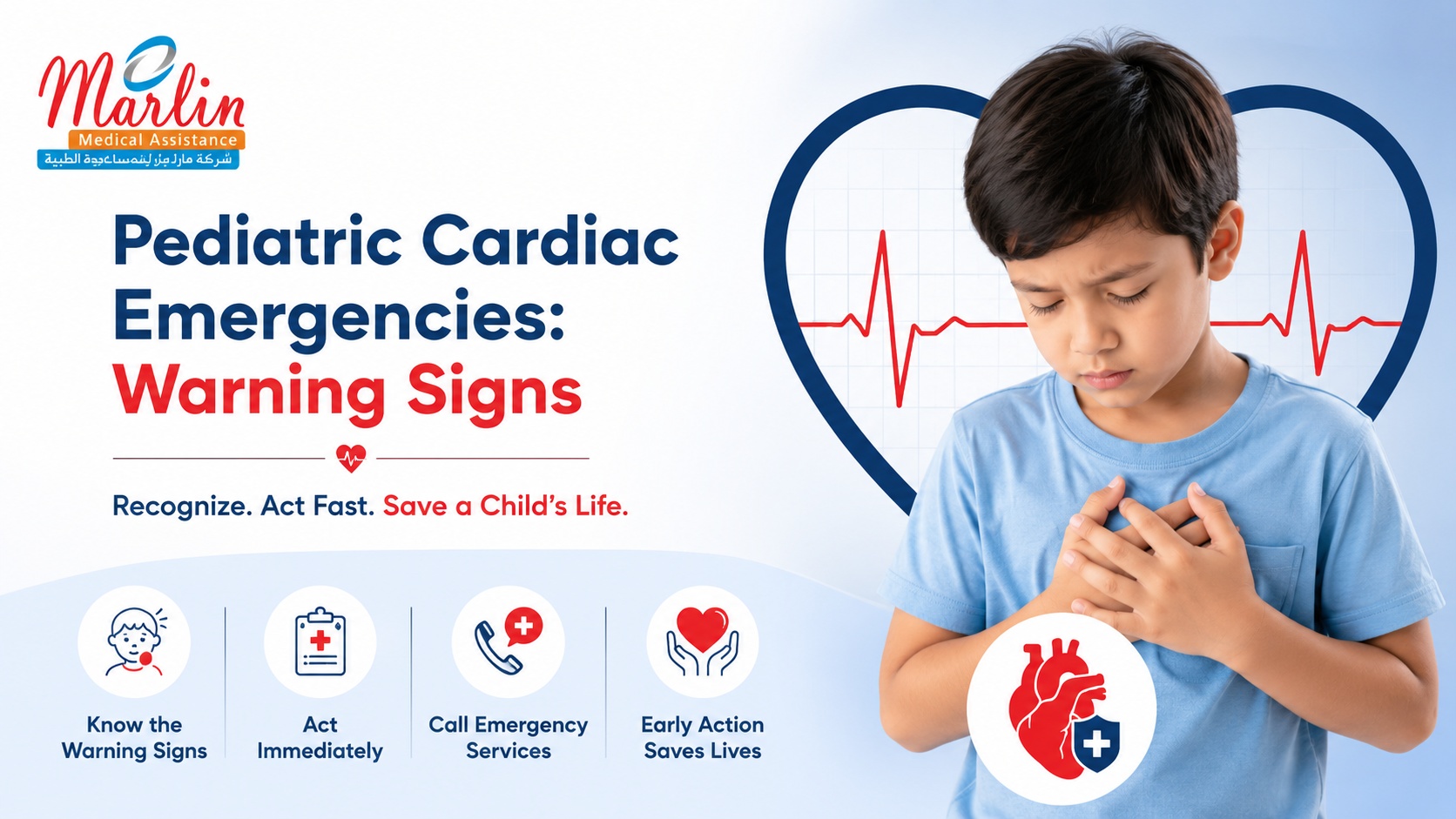
A cardiac emergency in children can strike at any time. And, with a little knowledge of the early warning signs, you could save your child’s life. This post takes you through the early warning signs, what to do in the event of a cardiac emergency, and the emergency numbers you need to have in your mobile today.
In a heartbeat, a child’s life can turn around. This article provides easy to understand practical measures you can take during your darkest hour, so you’re not fumbling when it really counts.
Can Children Have Heart Attacks? - Understanding Pediatric Cardiac Events
This is something that most parents don’t know and is surprising. A child is unlikely to suffer from a heart attack like an adult. An adult suffers from a heart attack when a blocked artery cuts off oxygen to the heart muscle. Heart attacks in children are rare.
What children can have, however, is just as dangerous. The child may experience sudden cardiac arrest (when the heart stops pumping blood correctly), arrhythmia (an abnormal heartbeat pattern), or collapse due to a congenital heart defect (a heart condition that a child is born with, ‘congenital’ heart disease, or CHD).
While the term “heart attack” isn’t really the right terminology for children, this threat is all too real. Pediatric cardiac arrest can lead to a child’s death in just minutes if immediate care isn’t provided. We have therefore sidestepped in this guide overlabeling and concentrated on what you will encounter in practice and how to react.
Emergency Warning Signs in a Child with a Known Heart Condition
You may already be familiar with the “normal” findings of your child’s heart if they have an abnormal heart. For example do they tire easily? Are their lips slightly pale on a particularly bad day? That’s the baseline.
A crisis looks different. Watch for:
- A sudden, very difficult, or rapid type of breathing
- Blue or grey coloration of the skin, lips, or nails
- Sudden onset of exhaustion, or a child having a floppy feeling
- Fainting or looking like they are about to faint
- Chest Pain - a child holding their chest (Can be described by older children)
- A pounding or irregular heartbeat that you can see or feel.
Trust your instincts! You know your baby better than anyone else. If you feel like your baby has suddenly changed drastically from the way they usually are, get help.
Signs of Cardiac Emergency in a Previously Healthy Child
This is the section that sends parents into a tizzy, and for good reason, too. Occasionally, a child who has absolutely no history of any cardiac problem drops dead. It does occur sometimes, you know.
Up to half of these children had an undiagnosed heart condition - such as an enlarged heart muscle or abnormal electrical functioning of the heart, which no one knew about. There were often a few signs that went unnoticed before: blackouts during exercise, chest pains during sport.
Sudden cardiac death in young athletes is perhaps the most obvious. A young child goes running, playing, or training as always - and then suddenly keels over. Unless someone around knows CPR and intervenes immediately, the chance of survival is very low.
Be on alert for any of these in any child, even a well-looking child:
- During exercise or excitement, you faint or nearly collapse.
- Chest pain or irregular breathlessness while playing sports
- Previous sudden death in the family before 50.
- Seizure-like movements during exercise (which, at times, is in fact the heart, not epilepsy)
If your child has ever fainted while doing sport, this is when to take child to hospital for heart concerns seriously, even if they appear OK afterwards.
Blue Lips or Fingertips (Cyanosis) - Always a Red Flag
Any new blue or grey colouring in a baby or child should never be ‘wait and see’. This phenomenon is called cyanosis baby/cyanosis child and this refers to when the blood is not properly carrying oxygen.
In children with light skin, the color change can be seen on the lips, fingertips, or around the mouth. However, if the child has darker skin, this could be difficult to see on the surface of the skin.
Here’s the secret doctors reveal-
Verify the mucous membranes instead. Observe the gums, the inside of the lips and the tongue. A bluish or greyish coloration here is a trustworthy indicator regardless of the color of your child’s skin.
If you notice a new onset of cyanosis in your child, treat it as a baby blue lips emergency and call for help immediately.
Sudden Loss of Consciousness in a Child
An unconscious child who’s suddenly fallen needs help IMMEDIATELY. What are you waiting for? Do something.
Here’s what to check, fast:
- Turn to your children for help, and look directly at the child. Tap child 2, child.
- Are they breathing normally? Look, listen, and feel for breath.
- If they are not breathing on their own, begin CPR straight away.
- Call emergency services at the same time or have someone else call while you begin chest compressions.
Sudden collapse child cardiac events include irregularities in the heart rhythm, which lead to ventricular fibrillation, or a total block in the electrical system of the heart, or some other very serious arrhythmia. No matter the reason, the response is the same: check, call, and commence CPR straight away.
Severe Difficulty Breathing in an Infant
You’re not here yet, but babies can’t communicate with you that they are not well, so you must read their body language. Look for:
- Grunting with each breath
- Nasal flaring-the widening of the nares with each inspiration
- If the baby pulls in their chest around the ribs or even underneath the ribcage, this is called recession.
- A breathing frequency that exceeds 60 breaths per minute.
Any of these signs in a young baby is a respiratory emergency and may indicate not only a lung problem but also heart failure. Heart failure in infants occurs with extreme effort of breathing compared to normal.
If your baby is breathing this way, don’t delay; call for emergency assistance immediately.
What to Do in a Pediatric Cardiac Emergency -
Step by Step:
Things go wrong, and you have a plan up your sleeve. Here’s what to do:
- Yell for assistance right away. Call out to anyone close and call emergency services.
- Check the breathing. Observe, listen, and feel for a normal breath for a maximum of 10 seconds.
- If there’s no breathing or no normal breathing, then give CPR. Don’t delay - give the compression.
- Never leave your child unattended. If you are alone with a sibling, try to place the call on speakerphone while you work.
- Just keep going until help arrives or your child begins to breathe.
- In the event that an AED is available, use it immediately with CPR.
Panic is normal. However, what you do in the first few minutes can mean the difference between living and dying.
CPR for Children - Quick Reference Guide
Save this. Take a screenshot of it. Get a printer and print it if possible.
Infant CPR (under 1 year old):
- Use 2 fingers. Place in the middle of the chest, just below the nipple line.
- Push the depression down about 4cm ( 1.5 inches)
- Provide 30 compressions, then 2 rescue breaths
- Keep doing this 30:2 cycle till help is reached.
Child CPR (1 year to puberty):
- Use 1 or 2 hands at the center of the child’s chest (Hands can be placed over the child’s clothing)
- Push down by at least 5 cm (2 inches).
- Perform 30 compressions followed by 2 rescue breaths
- Repeat the 30:2 cycle until help comes
Compression rate for both: attempt to achieve 100-120 pushes per minute (~the rhythm of “Stayin' Alive”).
Official training counts when it counts. Look for CPR children Kenya sessions at your Red Cross Kenya or Red Cross Tanzania office, and take it up even if you have never had the need.
SAVE THESE NUMBERS NOW:
| Country | Emergency Numbers |
|---|---|
| Kenya | 999 or 0800 720 999 | St John Ambulance |
| Tanzania | 112 |
Take a screenshot of this box right now and save it to your phone.
Emergency Numbers in Kenya and Tanzania
Each second looking for a number is a second wasted. Here’s what to save today:
Kenya:
- National emergency line: 999
- Free emergency number: 0800 720 999
- St John Ambulance Kenya
- Private ambulance services in Nairobi (ask your insurer if there is a suggested one)
Tanzania:
- National emergency line: 112
This is your heart emergency child Tanzania or Kenya lifeline. Save these as emergency contacts to your phone now, and don’t wait until you’re in the middle of your panic.
By the Numbers:
| Statistic |
|---|
| As time goes on without help, a person’s odds of surviving cardiac arrest decline by an estimated 7-10% per minute (AHA CPR Facts & Stats, 2025). The crucial time span for intervention is the first five minutes. |
How Marlin Assists in Pediatric Cardiac Emergencies
If your child requires treatment not immediately available, Marlin assists you by organising the medical evacuation to the nearest suitable hospital. We also take care of all pre-authorisation with your insurers to avoid delays in treatment, and arrange access to pediatric cardiologists.
We are available 24/7 - cardiac emergencies don’t knock, nor do they ring to make an appointment. If your family is insured under Marlin, call us immediately after the emergency services, and we will advise you on the entire process - right from transfer to hospital to referral to a specialist.