
Within our current medical state of affairs, coronary artery disease is the number one killer worldwide, claiming the lives of millions all around the world each year. For many years in East Africa, chronic cardiac complications were thought to be the problems of the distant "western" world, along with the "western" diet and the "western" active rural lifestyle. That was until the forefront of urban East African life, the city, the modern Western-like city, began to vanish on the streets of the region.
Fast on the heels of Chicago and London is the arguably more devastating relative, coronary artery disease (CAD for short). It has now quickly and cruelly appeared as a very real, very serious, and very deadly local threat to the well-being of our families, colleagues, and society.
Snippet Definition:
Coronary artery disease (CAD) is a cardiovascular disorder in which the majority of blood vessels providing the blood supply to the myocardium are narrowed or occluded. The cerebral mitral includes atherosclerosis heart disease, a condition which is characterized by increasing build-up of plaque of fatty deposits, cholesterol and cellular waste products that deprive the myocardium of oxygen supply.
What Is Coronary Artery Disease?
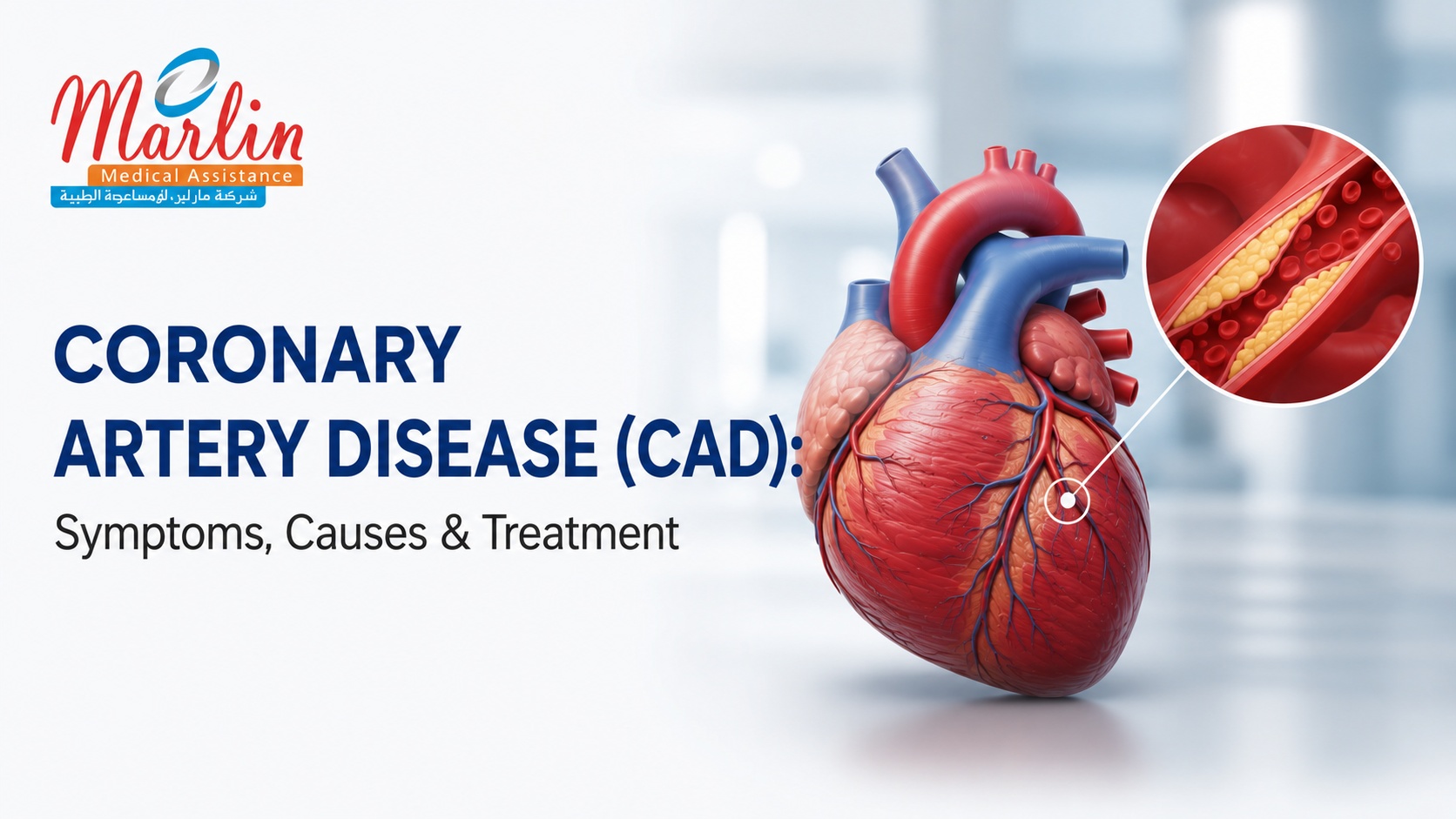
In order to get a better understanding of the disease, we need to look at the anatomy of the heart. The heart is a muscle that pumps blood around the body and it relies on a regular supply of oxygen enriched blood to run efficiently. The blood supplies the heart via a series of blood vessels known as the coronary arteries that lie on the outer surface of the heart.
When a person suffers from CAD symptoms, these vital arterial superhighways suffer from a maladaptive alteration called atherosclerosis heart disease. Atherosclerosis can be defined as the morphological hardening or constriction of the arteries as a result of an inflexible material known as plaque.
At its molecular origin in the earliest stages, plaque formation is completely at the microscopic, non-occlusive level and has zero impact on the baseline blood flow. In time and in severity, from mild to severe over several decades, the lumen diameter of the vessel decreases. Such narrowing impedes the flow of life-giving blood to deprive the heart of the important volume of oxygen that it requires, with a life-threatening amplification of supply to reach demand.
How Atherosclerosis Leads to CAD
The breakdown of the architecture of an artery does not occur suddenly. It reflects a gradual, unspectacular deterioration in vascular structure, which can take place over many decades of life. The multi-step cellular cascade is as follows:
- Injury to endothelium: The first step is injury to the fragile endothelium (the inner lining of the artery) that lines the artery. This acute injury is almost always caused by increased systemic blood pressure, tobacco smoke toxins or increased circulating glucose.
- LDL Deposits: Such damage permits LDL-C (the bad cholesterol) to migrate deep into the wall of the artery.
- Inflammatory Response: An inflammatory response to this trapped lipid buildup occurs, and macrophages are sent by the body to eat the cholesterol. They turn into fat-filled "foam cells". It leaves a shiny fatty streak along the intima.
- Fibrous Cap Formation: The body eventually tries to seal this area of localized vascular inflammation with a hard, protective fibrous cap composed of smooth muscle and collagen covering the soft, fatty center.
- Rupture and Thrombosis: If the underlying inflammation is left unattenuated, it gradually degrades the structural backbone of the fibrous cap, making it thin and friable. When the fibrous cap suddenly fissures or ruptures, the very thrombogenic fatty core is simultaneously exposed to blood flowing past. This ignites an instant coagulation sequence, producing a rapid clot formation, which occludes the vessel within minutes, resulting in an acute MI.
Symptoms of Coronary Artery Disease
For millions of people around the globe, the silent electrophysiologic finding of vascular stenosis of CAD remains just that, silent and asymptomatic for years until the lesion crosses a threshold of 70% occlusion-and is suddenly revealed by a clinical picture, of which there are three general subtypes:
Stable Angina
Stable angina is a very predictable, variable pattern of pain or severe pressure which occurs with strenuous activity, emotional upset or after a large meal. During these episodes, the heart rate is elevated and increased oxygen is required by the heart muscle, but the rigid, plaque-filled arteries are unable to dilate to provide the additional oxygen. This transient oxygen deficiency causes a sensation of heaviness or compression over the chest, which may radiate to the left shoulder, arm, neck or jaw. Stable angina symptoms often resolve completely within a few minutes of rest and/or administration of sublingual nitroglycerin.
Unstable Angina
Unlike stable angina, unstable angina can be a life-threatening emergency. It may cause a sharp rise in the intensity, frequency and duration of a patient's existing angina or sudden onset of chest pain which occurs at rest. This means the plaque cap is highly unstable or partially fractured, resulting in the formation of a fluctuating blood clot with the potential to occlude blood flow altogether.
Silent Ischaemia
In a large proportion of patients with advanced coronary starvation – especially elderly patients and patients with long-standing diabetes mellitus– there is no classical history of chest pain. This represents silent ischemia because devastating hyperglycemia destroyed the autonomic nerve fibres to the heart, which would have carried the pain sensation to the brain. These patients might only present with severe, unexplained, idiopathic fatigue, sudden cold sweats or shortness of breath on everyday activity – but they rarely had any idea that their heart tissue was rapidly dying of oxygen lack.
Angina vs Heart Attack - Understanding the Difference
Differentiating between a typical bout of angina and an acute myocardial infarction is a crucial, potentially life-saving skill which all families should be equipped with. Despite emanating from the same pathogenic process, the narrowing of the coronary arteries, the pathological, cellular and temporal sequelae are entirely different:
| Clinical Feature | Angina (Stable) | Heart Attack (Myocardial Infarction) |
|---|---|---|
| Nature of Blockage | Temporary, partial narrowing of the coronary artery. | Sudden, complete, and permanent occlusion by a blood clot. |
| Cellular Damage | Transient oxygen starvation (ischaemia); no permanent cell death. | Progressive, irreversible death of the downstream heart muscle tissue (infarction). |
| Pain Duration | Typically lasts between 2 to 5 minutes; rarely exceeds 15 minutes. | Prolonged, unrelenting pain lasting longer than 20 minutes. |
| Response to Rest | Symptoms quickly resolve with rest or sublingual nitrate medication. | Pain persists despite complete rest; entirely unresponsive to nitrates. |
| Associated Signs | Mild anxiety, mild shortness of breath during physical effort. | Profound cold sweats, vomiting, severe breathlessness, feeling of impending doom. |
If you or a loved one has persistent, severe crushing chest pressure and it does not resolve after 5 minutes of complete rest, do NOT wait to see if it passes. It should be treated as an active MI and transported immediately to the closest emergency cardiac center.
Diagnosis of CAD - Tests and Procedures
Contemporary cardiology employs a hierarchical, complex series of invasive and non-invasive diagnostic approaches to identify the extent, specific site, and severity of arterial occlusion.
Stress ECG (Treadmill Test)
This test is non-invasive and used at an initial level, whereby the electrodes of the electrocardiogram are positioned on the patient's chest while walking on a calibrated treadmill. With a graded increase in physical activity, the Cardiologist will be monitoring the electrical tracing for certain pattern changes that point to the heart muscle becoming oxygen-deprived while under load. This test is inexpensive and known to be performed throughout the major metropolitan and provincial referral centers across East Africa.
Coronary Angiography
A non-invasive multi-slice computed tomography (CT) scan of the heart, employing an intravenously administered iodine contrast injection for the purpose of creating an ultra-high-definition 3D structural model of the coronary arteries. This imaging technique is particularly accurate in identifying calcified and non-calcified plaques at their early stages. The multi-slice CT scanners, which can perform this test, are primarily based in large city hospitals, for example, in Kenya, the Aga Khan University Hospital in Nairobi and Tanzania, Muhimbili National Hospital in Dar es Salaam.
Invasive Coronary Angiogram
The classic "gold standard" test for diagnosing CAD. It is a procedure by which a long, specialized catheter is passed into the arterial system and radiopaque dye is injected into the origins of the coronary vessels under constant X-ray. This gives a definitive view of the coronary system---every millimetre of it shows where blockages are.
Coronary Angiogram - What It Is and What to Expect
An invasive angiogram Kenya or Tanzania investigation takes place within the clean (sterile) environment of a Cardiac Catheterization Laboratory (Cath Lab). This is an extremely standard diagnostic day-case investigation used to identify structural blockages in all their geometric detail.
The Procedural Experience
Once the patient arrives in the Cath Lab, he/she will be aware and might be sedated into a lightly asleep state. Local anesthetic is used on the access site, usually over the radial artery in the wrist, and in less frequent cases, the femoral artery located in the groin. A small flexible plastic tube (sheath) is introduced into the artery. Then long, thin, lubricated catheters are passed up through the aorta to the heart. No pain is felt as blood vessel linings have no nerve endings to detect pain.
With the dye in, the tip of the catheter is precisely situated at the opening of a coronary artery and a sharp fine jet of contrast dye is injected. An X-ray of remarkable speed makes a projection of the X-ray beam circle rapidly through the patient's chest for visualizing a flowing picture of the dye coursing through the branches in a real-time moving picture display (fluoroscopy). A narrowing can then be visualized distinctly on the screen as an architectural constriction.
Post-Procedure and Recovery
The needle pathway diagnosis itself typically takes about 15-30 minutes. If the radial artery in the wrist is used, the surgeon will place a tight bandage over the puncture and the patient is allowed to sit and eat right away. If the blockage was in the groin, the patient will remain flat in a recovery ward for 4 to 6 hours to prevent local bleeding. Most patients leave that very afternoon with only soreness or mild traumatic bruising at the access site for a few days.
In East Africa, functional Cath Labs primarily performing diagnostic angiograms are found only in world-class centers like the Nairobi Hospital, the Karen Hospital, the MP Shah Hospital, the Aga Khan University hospital in Kenya and the Jakaya Kikwete Cardiac Institute (JKCI) at Muhimbili in Tanzania.
Treatment Options for Coronary Artery Disease
Coronary artery disease treatment included the management of CAD that is a customized mixture of pharmaceutical therapies combined with one or more forms of either minimally invasive structural intervention or open cardiac surgery, depending on the pattern and site of the blockages.
Medical Therapy
All individual patients with CAD will need to be on sustained, rigid medical therapy for life, regardless of whether they go on to have surgery or stenting. This baseline aims: to arrest the growth of plaque; 2 stabilize existing plaques and prevent rupture; and 3 minimize the workload of the heart. This is:
- Antiplatelet Agents (e.g. Aspirin at low doses): Aspirin makes blood cells called platelets less sticky. This means they are less likely to come together to form a potentially fatal clot over a plaque rupture.
- High-Intensity Statins (e.g. Atorvastatin): Effectively reduce circulating LDL in the blood and decrease localized inflammation in the vessel wall, leading to stabilization of the fibrous cap.
- Beta-Blockers (e.g, Bisoprolol): Block the postsynaptic beta-1 receptor and are primarily used for protection against arrhythmia and also for slowing down or decreasing the heart rate and decreasing the strength of contraction.
- ACE Inhibitors: Relaxes overall blood vessels, in turn decreasing blood pressure and thereby decreasing the load demand on the heart muscle.
- Short–Acting Nitrates: On-demand dilation of the coronary arteries for the immediate management of acute stable angina symptoms.
Angioplasty and Stenting (PCI)
Patients who cannot have their symptoms managed with medicines alone, or who have severe focal blockages, can have a less invasive procedure called Percutaneous Coronary Intervention (PCI). This procedure involves opening the narrowed artery from within the vessel.
Coronary Artery Bypass Graft (CABG)
For complicated diffuse disease involving a multiplicity of vessels, or a very significant narrowing of the crucial Left Main Coronary Artery, open heart surgery is the safest option. This involves subtotal bypass to cut the blocked vessels off completely by employing other vessels removed from elsewhere in the patient.
Angioplasty and Coronary Stent Placement
Percutaneous Coronary Intervention (PCI) - commonly called angioplasty. This is part of the angiogram procedure. It transforms a diagnostic procedure into a percutaneous, structurally focused procedure immediately.
How a Stent is Deployed
When the heart doctor observes a major artery passing a catheter, then a minimally thick guide wire is skillfully guided through the narrowing and encircled by a deflated balloon catheter containing a tightly collapsed mesh tube, referred to in Kenya, Tanzania, Egypt, Sudan, and Zimbabwe as a heart stent Kenya.
Once correctly placed, the interventional Cardiologist inflates the balloon to a specific pressure. This force mechanically pushes the obstructing plaque outwards into the arterial wall, flattening the occlusion and immediately opening a broad passage for blood flow. The balloon is then deflated and withdrawn. The metallic stent remains permanently expanded in the artery to form a framework to maintain the patency of the artery.
Modern Drug-Eluting Stents (DES)
At present, in East Africa, all the cath labs use only modern, newer-generation DES. These stents are coated with a special drug-release system that keeps the artery permanently open by inhibiting the growth of future scar tissue within the stent.
Recovery from a routine, uncomplicated stenting procedure is quick. Discharge from the hospital can occur within 24 to 48 hours following the procedure, and normal light, routine domestic activities can be resumed within 1 week. This service may be available at private hospitals in Nairobi or at specialist centers such as the Jakaya Kikwete Cardiac Institute in Dar es Salaam.
Coronary Bypass Surgery (CABG) - When Is It Needed?
If a patient has widespread multi-vessel coronary artery disease (lots of plaque in all 3 major coronary arteries) or suffers from long-standing, severe diabetes and multi-vessel blockages, stenting (percutaneous coronary intervention) may not be safe or durable. These challenging situations require an open-heart surgical procedure mandated by a Coronary Act Bypass Graft (CABG, "cabbage") according to the coronary artery bypass surgery Tanzania or Kenya protocols.
The Surgical Procedure
Coronary artery bypass grafting (CABG) can only be performed where there is a dedicated team of cardiac surgeons and their staff, a dedicated cardiac anesthetist for the procedure, and a perfusionist to operate the heart-lung bypass machine. A midline incision is made down through the sternum and split open to provide direct access to the thorax.
To avoid the blockages, the surgeon takes or 'harvests' clean, healthy natural blood vessels from the patient himself/herself, usually the "Internal Mammary Artery" taken from behind the chest wall or the "Saphenous Vein" taken from the leg. One end of this graft is sewn to the aorta, while the other end is carefully stitched to the relevant coronary artery just beyond the blockage.
This structural workaround establishes a permanent detour, oxygenated blood can fully bypass the blockage and descend freely to the starved heart muscle embedded beneath it.
Complexity, Recovery, and Evacuation
Because CABG is only possible by opening the chest cavity and stopping the heart for some time, it is an elaborate major operation. Post-operative rehabilitation demands a minimum stay of 2 to 3 days in a special Cardiothoracic Intensive Care Unit (CT-ICU) and then a period of 5 to 7 days in a cardiac step-down ward. The final structural healing of the sternum usually takes 8 to 12 weeks of only limited rehabilitation.
Regular open-heart bypass surgery is carried out at a few tertiary referral centers in East Africa, for example, at Kenyatta National Hospital, Aga Khan University Hospital, Nairobi, and the Jakaya Kikwete Cardiac Institute (JKCI) at Muhimbili. Patients diagnosed in more distant provincial or cross-border locations who are not within a reasonable time frame for transfer by a specialist cardiothoracic surgical team are often flown by organized medical air evacuation programs to Nairobi or Dar es Salaam for emergency surgery.
CAD Risk in East Africa - Changing Trends
Until recently, initial epidemiological documentation described ugonjwa wa mishipa ya moyo as a disease exclusive to the developed countries of the Western world. For centuries, malaria, tuberculosis and HIV were the greatest challenges faced by eastern African healthcare systems. Yet, the country has undergone a swift epidemiological transition.
The increasing prevalence of coronary artery disease Kenya and Tanzania witness is being driven by rapid urbanization and economic growth in both nations, along with changes in lifestyle and behaviour. An active rural lifestyle characterized by traditional high fibre diets is gradually giving way to a largely sedentary office working lifestyle and automobile dependence. The diets are high in refined carbohydrates, processed sugar and trans-fats.
Based on the Kenya National Cardiovascular Disease Management Guidelines published by the Ministry of Health, NCDs presently cause more than 50% of all hospital admissions and 55% of deaths in hospitals in Kenya. Cardiovascular diseases account for as much as 13% of total deaths.
In addition, data from the national STEPwise survey points to another silent underlying risk factor where almost 1 in 4 of all Kenyan adults has systemic hypertension, but more than 56% of the population haven't had their blood pressure checked. That is a huge reservoir of unmanaged, undetected hypertension that is quietly accelerating wall damage in coronary vessels, which is another reason accounting for an alarming increase in myocardial infarction cases even among young people in the region. Patients navigating these institutional pathways can explore structured options like NHIF heart surgery coverage Kenya to offset emerging surgical deficits.
Long-Term Management and Prevention of CAD Recurrence
Having a stent inserted or a successful coronary bypass operation does not fix the problem. Though they are good mechanical fixes for clearly local blockages, atherosclerosis is still occurring everywhere else in the body. To prevent another event, management must be preventative and lifelong.
Lifelong Medical Compliance
Ceasing antiplatelet drugs or statins without explicit instruction from a cardiologist can result in a thrombosis developing abruptly within a new stent or surgical bypass graft. Patients must adhere to the consistent daily intake of medications for life.
Annual Cardiology Reviews
We recommend frequent checkups, including stress testing at intervals, echocardiograms, and regular blood chemistries. Your doctor needs to assess the health of your heart and monitor for any further narrowing of the arteries.
Comprehensive Lifestyle Modification
Optimal heart health requires consistent healthy lifestyle habits throughout life:
- Smoking cessation: the use of tobacco products is a central stimulus to inflammation of the walls of arteries. Smoking cessation is the single best intervention a patient can pursue to reduce their likelihood of suffering a future myocardial infarction.
- A Heart-Healthy Diet: Bypass processed foods and eat a diet that mainly consists of whole grains, lean proteins, vegetables, and healthy monounsaturated fats such as olive oil and avocados. Maintain a low salt diet as this can assist blood pressure control.
- Physical activity: Provide at least 150 minutes of moderate duration (between 50-70% of maximum heart rate) aerobic activity (e.g., walking, cycling) per week as suggested by the World Health Organization. Check with your Cardiologist before training after a procedure.
- Strict Metabolic Control: Achieve glucose control by living a healthy lifestyle, maintaining tight control of your blood sugar levels if you have diabetes, and, with the guidance of your healthcare team, keeping your blood pressure below 130/80 mm Hg.
National Health Statistics Callout
The real extent of the cardiovascular crisis in East Africa is revealed in official public health statistics gathered by national ministries and bodies such as the World Health Organization (WHO):
- Hospital burden in Kenya: The Ministry of Health Kenya Guidelines reports cardiovascular disease is the second leading cause of non-communicable disease mortality, leading to 13% of all deaths and accounting for 25% of all admissions to hospitals in the country.
- The Hypertension Epidemic: The landmark Kenya National STEPwise Survey reveals that 24.5% of adults have hypertension, but 56% of the adults have never had their blood pressure measured and thus have been unprotected from silent vascular damage.
- Global Preventability: WHO Cardiovascular Diseases Fact Sheets indicate that between 60% and 80% of all premature heart attacks and strokes are believed to be easily preventable worldwide by controlling the major risk factors- No smoking, regular exercise, and eating a healthy diet.