According to the WHO, ‘CVDs kill 17.9 million people every year’. Heart attack symptoms should be considered on a serious note to avoid the dangers that follow thereafter. East African countries like Kenya and Tanzania are seeing constant rise in heart attacks and heart related conditions. It is truly important to understand the gravity and the dangers of the situation.
This blog will be a complete piece of the required information, instructions, details and verified data related to the symptoms, causes and prevention of heart attacks. ‘Prevention is always better than cure’ and it is applicable to heart attacks in the most essential sense. Here we enter the main body of the blog.
What Is a Heart Attack? — Definition & How It Happens?
Before getting into the other details let us know the definition and meaning of a heart attack.
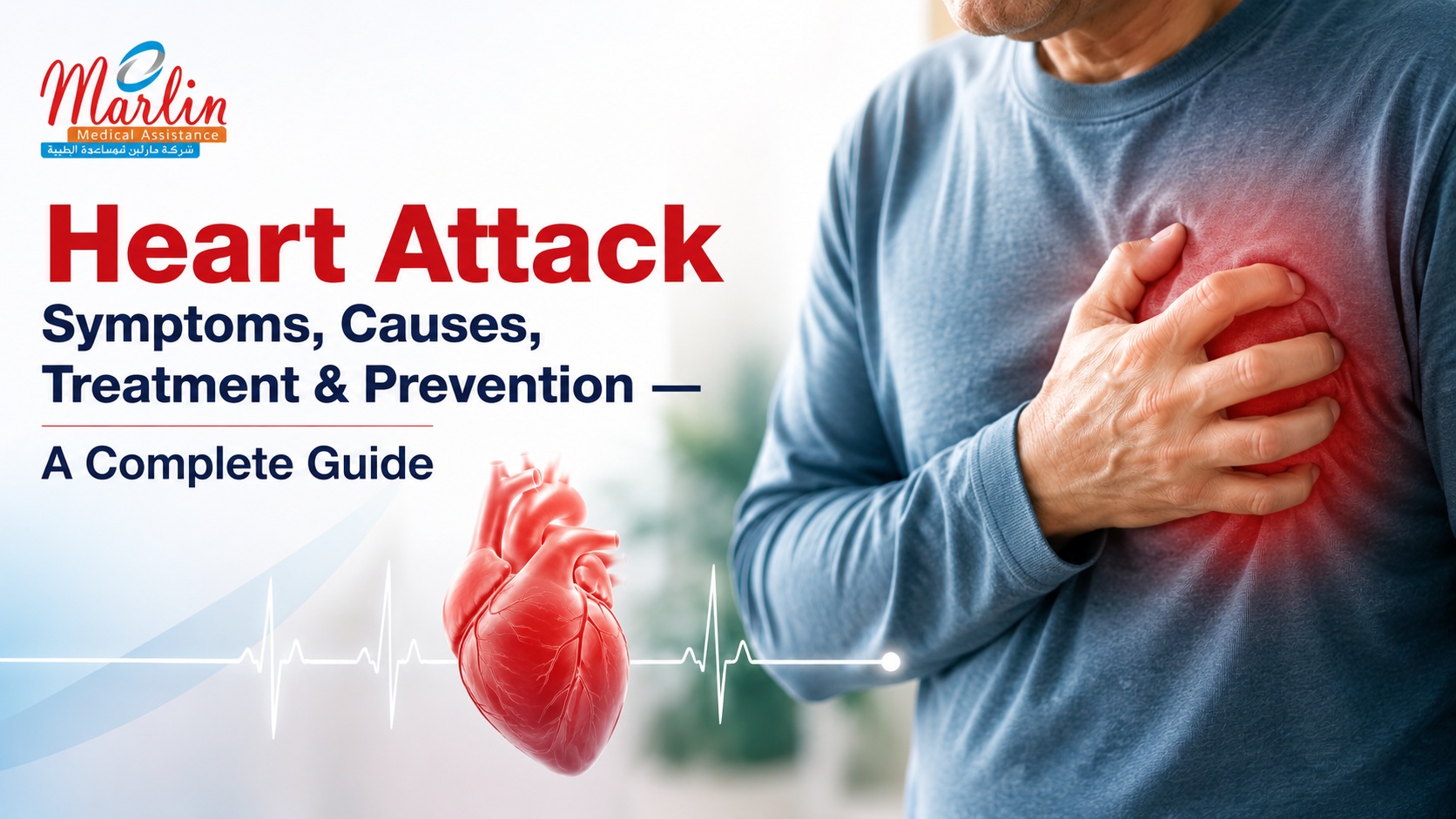
Heart attack or myocardial infarction happens when blood flow to the heart muscle greatly falls or is entirely stopped. This situation stops the flow of oxygen to the heart. Destructed cholesterol lining and blood clots are responsible triggers for heart attacks. The heart muscle begins to die and this leads to the heart attack.
STEMI or ST-Elevation Myocardial Infarction and NSTEMI or Non-ST-Elevation Myocardial Infarction are two types of heart attacks. However these conditions are different based on the heart muscle damage level and severity of the coronary artery blockage.
Let us exactly know how a heart attack actually happens :
- The issue actually begins from a plaque buildup of a cholesterol, sticky substance, cellular waste and other harmful elements on the inner walls of the coronary arteries. This situation is called ‘atherosclerosis’ in medical terms.
- Now a plaque rupture follows and the platelets consider this damage a serious injury. Hence platelets collect around making the blood clot in the area.
- This blood clot stops the flow of oxygen and blood supply to the heart. Every second is actually important and recognising the symptoms becomes highly necessary to avoid further complications.
Warning Signs and Symptoms of a Heart Attack
Signs of a heart attack are complex in nature. However your body provides you with certain symptoms and signs before an actual heart attack happens. Heart attack symptoms like shortness of breath, nausea, cold sweats, upper body pain and chest discomfort are highly certain. Recognising heart attack symptoms early saves a lot of lives. Warning signs and symptoms of heart attack actually turn out to be essential to understand. Let us know in detail about the warning signs and symptoms of a heart attack :
- Upper Body Pain: Upper body pain that radiates to the neck, back and jaw is an important symptom of heart attack. This pain generally spreads all throughout the back region and feels highly intense at times. Left jaw or left shoulder pain is also a common sign of a possible heart attack.
- Chest Discomfort: Chest pain and chest pressure in the centre of chest that recurs is an essential sign of a heart attack. Chest comfort as a heart attack symptom is an obvious sign.
- Shortness of Breath: A heart attack comes with a symptom that accompanies a shortness of breath. At times every breath can feel highly heavy and burdensome.
- Nausea or Lightheadedness: Feeling dizzy, lightheaded and discomfort in the stomach form an important part of heart attack symptoms. Nausea and lightheadedness can be a possible sign of a heart attack.
- Cold Sweats: A sudden breakout of clammy and cold sweat should be watched out for as it is an important symptom of a heart attack.
These symptoms are not common in every individual suffering from a heart related condition. They can greatly vary from person to person. You should check yourselves with a doctor in case you are confused about the possible health condition.
Heart Attack Symptoms in Women — What Is Different?
Though women are trying to be equal to men their bodies react differently to different health conditions. Signs of a heart attack in women are different than in men. Chest pain is actually a common symptom of myocardial infarction irrespective of gender. However there are other symptoms and signals that a female body shows before a heart attack condition happens. The American Heart Association declares that diagnostic delays in women lead to numerous other complications. A woman can experience sudden shortness of breath with cold sweats and fatigue. This is a how heart attack symptoms are different in women :
Upper back pain : Women experience a severe or mild upper back pain before a heart attack. This pain can interfere with daily and regular activities.
Pain Location: Women feel pain radiating to the neck, back, jaw, or arm. The upper back pain as discussed above can be a common symptom.
Chest Sensation: The chest pain in the case of women can be accompanied with tightness, pressure, and sharpness. The pain can be centred around the upper abdomen and chest.
Digestive Complaints: Ladies even complain about digestive discomfort including vomiting, nausea and abdominal pain. These symptoms are similar to acid reflux and you should pay close attention to the symptoms.
Shortness of Breath: Women even experience shortness of breath and breathlessness apart from other symptoms. This shortness of breath is even experienced during sedentary activities like resting or sleeping.
Neurological Signs: Fainting, cold sweats, fainting and lightheadedness are other common signs of myocardial infarction in women.
Symptoms Often Mistaken for Indigestion or Panic Attack
Myocardial infarction or heart attack is a condition that largely affects people of various age groups. There are a number of symptoms that create situations leading to confusion between indigestion or panic attack. Let us get into the details of the topic and understand the difference between the symptoms of a heart attack and indigestion/panic attack :
Heart Attack Symptoms
Radiating pain: Radiating pain is among the most obvious symptoms of heart attack. This discomfort radiates to the jaw, stomach and back.
Type of pain: The pain during a heart attack condition is accompanied by a squeezing sensation.
Other signs: Other signs of a heart attack include a sudden lightheadedness, breathlessness or cold sweats.
Time : The heart attack symptoms normally last more than a few minutes and often recur.
Indigestion Symptoms
Let us understand the symptoms of indigestion :
Type of pain: Heart burn is among the most obvious symptoms of indigestion. This pain is centred in the upper stomach region.
Sensational changes: The burning sensation during an indigestion often worsens while bending down or lying down.
Triggers: The pain associated with digestion mainly worsens after a heavy meal mainly at night.
Taste: Indigestion is accompanied by an acidic or a sour taste in the mouth.
Both indigestion and a myocardial infarction share some similar symptoms. However the nature, location and spread differs a lot. You should immediately sek medical care in case of a confusion between a heart attack and indigestion/panic attack.
When to Call Emergency Services Immediately
You should look for symptoms like fullness in the centre of the chest and severe chest pressure or squeezing before you call emergency services. If you are experiencing a sharp, radiating pain that spreads across your upper back, jaw, neck or spine then you should call emergency services without wasting even a single minute.
If you are from Kenya: 999 / 0800 720 999. If you are from Tanzania: 112. You can call these emergency health related numbers in case of heart attack signs.
Causes and Risk Factors of a Heart Attack
Heart attack does not hail from a sudden cause. There are a number of reasons and factors that lead to the condition of a myocardial infarction. The heart attack causes are divided into primary causes, modifiable and non modifiable risk factors. Let us understand in detail about the causes and risk factors of a heart attack :
Primary Causes of a Heart Attack
Coronary Artery Disease or CAD : Coronary Artery Disease is among the most leading causes of a heart attack. CAD hails from a buildup of fat and cholesterol over years.
Atherosclerosis : If a hardened plaque ruptures, blood clots begin forming around it. These clots are responsible for a complete clotted artery. These blocked arteries stop the supply of oxygen to the heart.
Coronary Artery Spasm : The arteries tighten and this reduces the blood flow to the heart. Drugs are known to worsen the condition.
Spontaneous Coronary Artery Dissection or SCAD : Spontaneous Coronary Artery Dissection is a sudden tear in the wall of a coronary artery stopping the flow of blood to the heart.
Modifiable Risk Factors
As the name suggests modifiable risk factors are those factors which can be altered by medical care and lifestyle changes. Here are those factors :
Hypertension (High Blood Pressure) : About 20 to 35% of heart attacks in the East African region are caused by hypertension. High pressure causes high stress over the arteries making them prone to damages.
Smoking & Tobacco: The elements in tobacco whether primary or secondary smoke affect the blood vessels and increase the plaque buildup. This ultimately leads to a reduction in the supply of blood.
High Cholesterol: High amount of triglycerides and LDL or "bad" cholesterol lead to a plaque buildup.
Diabetes & High Blood Sugar: Diabetes and high blood pressure is also another modifiable factor that is responsible for a myocardial infarction. High levels of blood sugar increases the overall risk.
Sedentary Lifestyle: Sedentary lifestyle is increasing all throughout the East African region. This is one of the most important reasons for the rise in heart attacks.
Stress: Stress contributes to a large number of heart attacks all throughout the world including the East African region. Chronic stress triggers blood pressure and blood sugar leading to heart attacks.
Unhealthy Diet : Improper diet including added sugars, high sodium intake and trans fats is contributing to an increased risk of heart attack. Being overweight is linked to an increased risk of heart attack.
Non-Modifiable Risk Factors
There are no factors causing a heart attack that are known modifiable in nature. No in detail about these factors :
Family History : If your family has a history of heart attack then you are also at a risk of heart attack during an earlier age. Family history is a non modifiable factor that causes a heart attack.
Age Factor : The risk of a heart attack increases according to age. The risk of a myocardial infarction is more after the age of 45 in men and 55 in women.
Medical History : If you have a medical history of cardiac problems and heart conditions then you are more likely to have a heart attack during your lifetime. This is mainly due to the vulnerability of your heart against the condition.
Why Are Heart Attacks Rising in Young Adults in East Africa?
According to a recent survey the East African region has seen a 30 to 40% rise in heart related deaths. This is actually not a sudden incidence but there are a number of factors that are responsible for this alarming data. Let us understand why heart attacks are increasing in young adults in East Africa :
Stress
Stress is on a rise in the east African region and this is contributing a lot to increased heart conditions. Hypertension is one of the most important reasons for a rise in heart conditions among younger adults in the East African region.
Silent Hypertension
Silent hypertension is another cause of heart attack in younger adults in the East African area. Hypertension is a leading cause of heart attack not only in the East African region but also all throughout the world.
Processed Food
Processed food contains high levels of sodium, added sugars and saturated trans fats. All these elements contribute to an elevated risk of myocardial infarction. Processed food is also the leading cause of heart attack in younger adults in East Africa.
Urban Lifestyle Changes
Economic pressure and the work environment in the urban region is highly stressful. It differs a lot from the rural areas. Increasing urbanisation is causing high pressure over younger adults leading to heart conditions including heart attack.
Modifiable vs. Non-Modifiable Risk Factors
Understanding the difference between the modifiable and non modifiable factors responsible for heart attack is important. Modifiable factors of myocardial infarction are those factors that can be altered or controlled by making changes in lifestyle and personal medical care. Here is the detailed columned checklist of modifiable factors and non modifiable risk factors responsible for a heart attack :
| MODIFIABLE RISK FACTORS | NON-MODIFIABLE RISK FACTORS |
| High Blood Pressure : High blood pressure is also another modifiable factor responsible for heart attacks. High blood pressure can be altered by lifestyle and dietary changes. | Age: Age is amongst the most important non modifiable risk factors of heart attacks. Individuals with higher age have an elevated risk of developing heart diseases. |
| High Cholesterol Levels : High LDL levels are also responsible for myocardial infarction. High cholesterol levels can be controlled through dietary changes making it an important modifiable factor contributing to heart attacks. | Family History: Family history of a heart attack puts you at a risk of a heart attack. If you have an immediate family member who has a heart condition then you are at the same risk too. |
| Diabetes : High blood sugar has a negative effect on blood vessels. Management of diabetes is highly important while preventing a heart attack. | Sex/Gender: Normally men have a higher risk of heart attacks at a younger age than women. Women's risk actually increases after menopause. |
| Physical Inactivity : Physical inactivity is yet another modifiable factor responsible for a myocardial infarction. Sedentary lifestyle is always a factor to be considered in heart conditions. | Ethnicity: People from the South Asian and East African regions tend to face major heart related conditions than individuals residing in the other parts of the planet. This factor causing heart diseases is truly non modifiable. |
What to Do During a Heart Attack — First Aid Steps
The first 5 to 10 minutes of a heart attack are extremely crucial that are certain primary steps that people around need to take before a heart attack occurs. Let us understand about the heart attack first aid.
1. Position the Person
You should allow the individual suffering from a heart attack to position in an appropriate manner. Sitting down against the wall with knees bent is always necessary after a heart attack. Please ensure that the person suffering from a heart attack doesn't experience extra pressure over his or her heart. Try to loosen the clothing to improve breathing and ensure continuous and adequate supply of oxygen to the heart. Do not gather around in crowds as this can help increase the pressure over the patient.
2. Call for Immediate Help
Immediate help is always in case of emergencies. Consider calling emergency services in case of signs of heart attacks. If you are from Kenya: 999 / 0800 720 999. If you are from Tanzania: 112. You can call these emergency health related numbers in case of heart attack signs.
3. Use Aspirin
Chewable aspirin powered around 300-325 should be administered immediately to relieve the symptoms. Aspirin helps in blood clotting and stops its effects over the heart.
4. Monitor and Prepare for a CPR
Prepare for CPR after a heart attack condition happens. Place the heel of your hand in the center of their chest and push hard and fast. You should at least aim for about 100 to 120 compressions per minute. Monitoring the heart rate and rhythm is important to ensure a safe medical condition.
5. Go for a Prescribed Medication
Go for prescribed Nitroglycerin if the person is diagnosed with a heart condition but don't use it if there is no official prescription. Please do not Google things and use medications without knowing properly about the individual’s medical history.
How Is a Heart Attack Diagnosed?
A heart attack or a myocardial infarction requires immediate medical care and diagnosis. Heart attack should be diagnosed at priority after the signs of heart attack appear. If you are located in Kenya or Tanzania then there are a number of private and public hospitals and care centres that specialise in diagnosing heart related conditions and heart attacks. Here is how it is exactly diagnosed and monitored before a proper treatment for the condition actually begins :
Electrocardiogram or ECG
Electrodes or sticky patches are attached to the chest and/or the arms and legs. The ECG is done to diagnose a heart attack and it records electrical signals traveling through the heart. These electrical signals are recorded as waves presented on a monitor. An ECG can clearly display if a person is having a heart.
Cardiac Computerized Tomography (CT) or Magnetic Resonance Imaging (MRI)
Cardiac Computerized Tomography or CT or Magnetic Resonance Imaging or MRI
create images of the chest and heart. Cardiac CT scans use X-rays to get the issue diagnosed well. Cardiac MRI makes use of radio signals and magnetic fields to develop images of your heart. These are among the most useful tests to ensure a heart attack.
Chest X-ray and Echocardiogram
A chest X-ray is used to confirm the condition and size of the heart and lungs. In an Echocardiogram ultrasound waves are used to get images of the moving heart. An Echocardiogram helps in understanding the scope of the heart damage. It displays the movement of blood.
Coronary catheterization or angiogram
In a Coronary catheterization or angiogram a thin, long tube or catheter is placed into an artery, normally in the leg, till the heart. Dye flows via the catheter to make the arteries display the internal pictures.
Treatment Options for Heart Attack
There are a number of treatment options available in and around Kenya and Tanzania at private and public hospitals and cardiological care centres. Here are the treatment options available for a myocardial infarction :
Emergency Medications
Emergency medications can be used to treat the effects of a myocardial infarction. Drugs including Nitroglycerin and Aspirin are used to treat the issue at the earliest. These medications are used to reduce further blood clotting and provide relief from angina or chest pain. Doctors even recommend blood thinners and Thrombolytics to do away with clots that block an artery.
Long-Term Medications
The heart attack treatment after a patient steps out of hospital is also an important part of the treatment. Long term medications like Statins, Beta-blockers and ACE Inhibitors to relax the blood pressure and manage the blood pressure. This is the time when the patient's blood pressure and heart condition should remain normal.
Coronary Artery Bypass Grafting / Angioplasty
Coronary Artery Bypass Grafting (CABG) is a standard process that helps in ruling out severe blockages where angioplasty is practically possible. Surgeons make use of a healthy blood vessel from another part of the body to bypass the blocked area. This helps in treating the blocked artery.
PCI and Thrombolysis
PCI that is even called coronary angioplasty, is a less invasive procedure to rule out blocked heart arteries. Doctors use a thin tube that has a stent and a balloon through the groin to widen the artery.
Thrombolysis or thrombolytic therapy is a medical treatment that treats blood clots and restores blood. These heart attack treatments in Kenya and Tanzania are available mainly in cities like Dar es Salaam and Nairobi.
Heart Attack Treatment Available in Kenya & Tanzania
Heart attack treatment in Kenya and Tanzania is highly functional with efficient national centers and private hospitals. There are a number of heart care centres and clinics available all throughout the country. The heart care centres of Kenya are mainly located in Nairobi. Let us know in detail about the treatment centres for myocardial infarction :
Kenyatta National Hospital
is a popular and efficient public national referral hospital. It provides aided care for cardiological issues. The hospital provides some of the most effective care for heart related issues.
Aga Khan University Hospital (AKUH), Nairobi
Aga Khan University Hospital (AKUH), Nairobi is accredited by the Joint Commission International as a Centre of Excellence for heart attack management. This institution offers immediate help in case of heart attacks.
The Nairobi Hospital & Karen Hospital
are also popular for some good care in heart conditions. Facilities like angiographies, implantations and stenting are available there.
When Is Medical Evacuation Necessary for Cardiac Cases?
A medical evacuation is highly necessary in case of a Complex CABG, unavailable cathlab, and paediatric cases. Consider visiting Marlin Medical Assistance for the best cardiac related consultation and immediate help.
Hemodynamic instability, post cardiac arrest, and advanced diagnosis require a proper medical evacuation during cardiac issues.
Recovery After a Heart Attack — Cardiac Rehabilitation
A cardiac rehabilitation is a medically supervised program that is prepared for a safe and proper recovery from a heart attack. A cardiac rehabilitation even helps in managing the risks of further heart diseases. There are three stages of a proper cardiac rehabilitation. Here are those stages in detail :
Phase I (Inpatient)
Phase I starts when you are admitted to the hospital. It contains sitting up, gentle movements, and slow, and short walks. This stage is actually important to prevent immediate reactions. Use of statins, beta-blockers, antiplatelet is normal in this phase.
Phase II (Outpatient)
Phase of a cardiac rehabilitation begins after you are discharged from the hospital. You have to be consistent in paying attention to hospital visits and clinic sessions. Your heart rate and rhythm should be monitored thoroughly in this stage.
Phase III (Maintenance)
This phase is based on some dietary changes and lifestyle alterations. You should focus on building your cardiovascular health during this period. Don't forget that depression after a myocardial infarction is normal and should be managed efficiently.
How to Prevent a Heart Attack ?
As the saying always goes, ‘Prevention is better than cure.’ Preventing a heart attack is always a better idea than finding a cure later on. A heart attack is not a sudden occurrence, it requires reasons behind it. However there are some things that you can do in order to prevent a heart attack. A heart attack is not an out of the blue occurrence but is something that develops over time. Here is how you can prevent a heart attack from happening to you :
1. Shake Your Body
Activities certainly help a person in keeping away from heart related conditions including a heart attack.
You should at least aim for about 150 minutes of moderate intensity exercises like swimming or cycling every week. Remember you should shake your body as much as possible. This will help you in keeping your heart younger and you will surely stay away from heart attack and other cardiological issues.
2. Choose a Heart-Healthy Diet
Another step that you can take to prevent a heart attack is choosing a heart healthy diet. Try to include dry fruits like dates, almonds and figs in your diet. Also including whole grains, vegetables and lean proteins will also help you in keeping away from myocardial infarction. Consider cutting on added sugars, saturated fats and sodium intake.
3. Do not consume Tobacco & Alcohol
Tobacco and alcohol not only causes cancer but it is also one of the most leading reasons for heart attacks. If you wish to prevent a heart attack then you should stop consuming tobacco and alcohol in the very first place. Tobacco and alcohol are dangerous to consume that will lead you to a serious heart related condition including a heart attack. Alcohol is also responsible for a high blood pressure that ultimately leads to heart attack.
4. Consider Regular Health Screenings
Another important step that you can take to prevent a myocardial infection is considering a regular health checkup. A health check up will ensure that your blood pressure, diabetes and other health parameters are perfectly well. A spiked blood sugar, blood pressure and cholesterol level are important reasons behind the severity of a myocardial infarction. Regular health check up will ensure a proper check over these factors.
5. Stress Management
According to research, about 75% of heart attacks are related to depression and stress. Stress management is an important step that you can take towards preventing a myocardial infarction. Chronic stress leads to a spike to blood sugar and blood pressure levels. Consider deep breathing exercises, reading comedy and listening to your favourite songs for stress reduction.