
Liver Transplant
A liver transplant is surgical procedure used to replace a diseased liver with a healthy one from another person. A whole liver or just part of one may be transplanted. In most of the cases, the healthy living individual donates part of his liver and sometimes, the healthy liver comes from a donor who has just died. A person who donates part of their liver can live a healthy life with partial part of the liver. Here, we will discuss everything about liver transplant, such as what is liver transplant, what are the complications of liver transplant surgery, what is the cost of a liver transplant in India, which are top hospitals for liver transplant in India, and who are the best doctors for liver transplant in India.
What the price includes
- Lead liver transplant surgery surgeon and specialized surgical team fees
- Operating theatre charges and consumable surgical packs
- Dedicated post-operative inpatient room stay
- Routine laboratory diagnostics, scans and pre-op clearance
- In-hospital clinical medications and recovery nursing
- Pre-departure follow-up consultation and fit-to-fly assessment
What it does not include
- International return flights and baggage
- Serviced accommodation and meals after discharge
- Attendant and patient Indian medical visa processing
- Management of incidental pre-existing conditions
- Long-term medication refills in home country
- Secondary home-country outpatient rehabilitation
What each hospital charges
Same clinical excellence across 5 accredited partner hospitals. Marlin charges no patient commission — figures are transparent official hospital estimates.
Accredited multi-speciality tertiary hospital featuring state-of-the-art diagnostic facilities and dedicated international patient care desk.
Estimate your whole trip, not just the surgery
Flights, hotel, food and visas for the full 10 days — so the number you budget for is what you actually spend.
$11,810 – $12,430
- Surgery, hospital and care$10,000 fixed
- Return flights (1 passenger)$920
- Hotel & meals during recovery$810
- Indian medical visas$80
The upper figure allows for a longer stay. The implant and surgery are fixed. Marlin adds nothing to any of these numbers.
Surgeons who do this operation every week
Senior consultants at JCI/NABH accredited centres with decades of dedicated procedural volume.

Dr. Ashok Rajgopal
Internationally recognized senior consultant with thousands of successful clinical procedures.
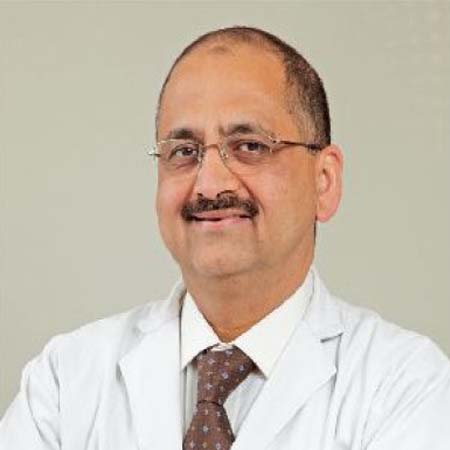
Dr. S.K.S Marya
Globally renowned medical faculty with extensive international patient advisory tenure.

Dr. Vinesh Mathur
Renowned expert with international fellowships and over 15,000 successful clinical procedures.
What the three weeks actually look like
From sending your first medical scans to your fit-to-fly clearance.
Before you fly
Reports and a surgeon’s opinion
Send your X-rays and medical history. Within 24–48 hours you get a named surgeon’s written opinion and a costed plan from each hospital you shortlist.
Day 1–2
Arrival and tests
Airport pickup, hotel check-in and hospital consultation. Blood work, ECG, anaesthesia clearance and a fitness review are completed the same or next day.
Day 3
Surgery
The operation takes 60–90 minutes per joint. You are moved to your private room the same day and stood up with support within 24 hours.
Day 4–7
Walking with physio
Twice-daily physiotherapy in the ward. Most patients walk with a frame by day two after surgery and manage stairs before discharge.
Day 8–21
Recovery and review
You stay near the hospital in a serviced hotel with outpatient physio, then a final review, stitch removal and fit-to-fly clearance before you travel home.
“I paid the hospital directly at the billing counter and the number matched the estimate Marlin sent me in Nairobi. Nobody asked me for a single extra shilling.”
Questions patients ask before they book
Essential details on payments, visa processing, language and post-operative flight permissions.