
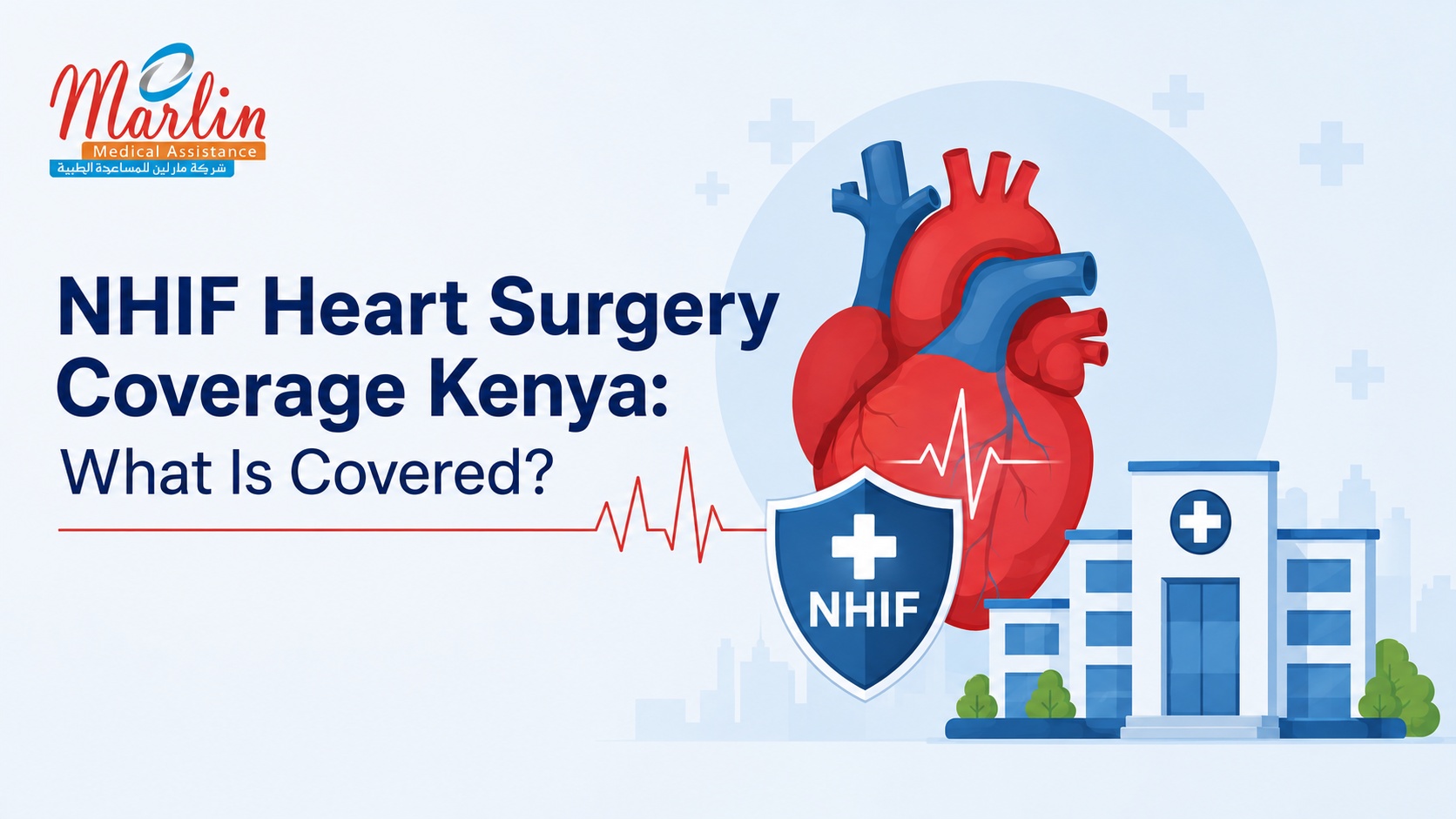
In most Kenyan households, a critical cardiac illness diagnosis comes with a heavy financial panics. In most cases the first most frantic concern is the likelihood that public health insurance would cover life-saving cardiac surgeries. Prosperous NHIF heart surgery coverage Kenya appears not to disappoint collectively offering substantial financial subvention to registered members and their declared patients in times of need.
Snippet (Executive Summary):
The current NHIF heart surgery coverage now fully subsidizes inpatient open heart procedures and pacemaker insertions. Coverage seamlessly extends through tier mapped public and selected private facilities, but patients are expected to obtain pre-authorization to avoid unexpected out of pocket costs.
What Does NHIF Cover for Cardiac Conditions?
Knowing the precise extent of NHIF cardiac benefits Kenya is crucial to the family preparing a future procedure. The nation's insurance system classifies its services into various tiers for surgical and subspecialized treatment categories to save families from financial difficulties in health emergencies.
Patients found to have structural or electrical heart abnormalities benefit from up to a full spectrum of life-saving interventions by the fund. These include complex open heart surgery (such as CABG, correction of congenital anomalies) at approved facilities. Clinics are also paid for clearing blocked coronary arteries with affordable interventions including NHIF cardiac catheterisation and percutaneous coronary intervention (PCI/angioplasty).
In those who have debilitating cardiac arrhythmias, the fund will meet the expenses of implantation of a permanent pacemaker including the standard Hospital Theater parameters required. In addition to the Operating Theater, outpatient allowance can be used for such essential cardiac investigations as ECG, Echo and on an ongoing basis routine Consultant consultations with cardiac specialist cardiologists.
Having said that, it's important to get a sense of the coverage limits and copayment situations. Public hospitals (level 4-6) will almost fully cover the cost, but private hospitals have a tiered reimbursement system, where the employer has to make a co payment instead of covering their entire bill. Private hospital reimbursements are based on a set maximum tariff for theater, surgeon and material charges and the rest is borne by the patient as a co-payment.
Which Hospitals Are NHIF-Accredited for Heart Surgery in Kenya?
To ensure that you get your full benefits without delays in administration, you should get treated at the authorized (and tier mapped) facilities. There are many NHIF accredited cardiac hospitals Kenya options in the public as well as private sector that have fully functioning cath labs and dedicated cardiothoracic intensive care units.
- Kenyatta National Hospital (KNH) & KUTRRH: As the top public Level 6 referral facilities Kenyatta National Hospital & the Kenyatta University Teaching, Referral and Research Hospital attract the highest rates of reimbursement with YAHC. Thus often leaving insured members with an insignificant or nil out of pocket balance for basic ward admissions and straightforward procedures.
- The Karen Hospital: A renowned private hospital with a well established cardiac facility. NHIF pre authorizations are accepted for specialized cardiac procedures but patients are required to make top-ups on an out-of-pocket basis.
- M.P. Shah Hospital: Based in Nairobi, the hospital frequently works with the fund to provide structural heart interventions and specialized cardiovascular interventions.
- The Aga Khan University Hospital, Nairobi: A renowned private teaching hospital where all complex adult and pediatric cardiothoracic procedures are done under the specialized card package.
- The Nairobi Hospital: provides a wide spectrum of cardiovascular diagnostic services, all the major open heart surgical procedures, and emergency coronary treatment using a tiered public private insurance system.
Disclaimers: The providers and hospital contracts evolve over time. In late 2024, Kenya embarked on a nationwide movement from the old NHIF to the SHA & SHIF (new regime). Always check real-time accreditation & benefit status directly at nhif.or.ke or the official health insurance call center, before planning an elective admission.
How to Access NHIF Benefits for Heart Surgery — Step by Step
Getting financial coverage for an NHIF heart procedure Kenya can be achieved through a clear systematic pre-authorization process. If any paperwork is skipped a claim can be rejected leaving the family with a bill.
- Get a formal referral: Step one involves obtaining a formal medical referral from a primary care center or regional Level 4/5 government hospital and arranging to send the patient to a specialized cardiac unit.
- Meet a Cardiologist: The patient is examined at the hospital by an impanelled specialist physician or cardiothoracic surgeon at the selected accredited hospital, who indicates the clear medical indication requiring heart surgery cost Kenya NHIF claim.
- Submit the Pre-Authorization Request: The customer insurance relations department at the hospital gathers your paperwork and submits it via the internet directly to the national insurance office.
- Present Essential Documents: valid ID card, valid registration of dependent cards (for children), comprehensive medical report, quotations from the hospital, proof of active and continuous monthly contributions.
- Approval and admission take place: The case management board has a timeline of 2 to7 working days to review the technical files. After creating an approval code and sending it to the hospital billing center, the patient can be admitted for the scheduled cardiac operation.
What NHIF Does NOT Cover — And What to Do
If the national insurance fund offers a crucial safety blanket for millions of Kenyans, it does not, however, guarantee unlimited coverage even for each and every cardiovascular row. It is important to be aware of these limitations so that families are not taken aback financially during a medical emergency.
The typical packages do not include such services as international emergency medical air evacuation in the event an individual requires transfer for treatment. Proposed experimental therapies, unauthorized robotic surgical technologies, and some highly specialized imported biologic heart valves or sophisticated artificial cardiac prosthetic devices may also not be reimbursed under standard schedules.
To help close potential funding gaps, families may choose to purchase private top up-medical insurance policies to take care of specific long and expensive treatments. Others may seek out dedicated international programs (such as Marlin Medical Assistance) to access an organized system of logistics support, or they may opt for a local area medical evacuation scheme. If the family is low income bringing concerns to the hospital's own social work department can sometimes find secondary aid through local charities or nongovernmental health groups.
Tips to Maximize Your NHIF Cardiac Benefits
- Put the best foot forward: by selecting top tier nationally recognized public referral sites. By selecting the best fee for service public facility you use available agreements for maximum benefits and less out of pocket costs for you.
- Demand Pre-Authorization Before Incurring Expenses: Do not allow any elective admission or costly cath-lab intervention to take place until such time as the hospital receives a valid pre-authorization approval code.
- Keep up regular Premium payments: let your membership lapse for one month and you will incur a penalty period which makes your card invalid in a real emergency.
- Always keep on hand copies of all medical documentation: Save copies of all clinical letters, lab printouts, discs of diagnostic images and reimbursement forms. This will come in handy if your claim is suddenly subject to a random audit.
Key Global Cardiovascular Health Data
As reported by the premier public health tracking of East Africa, the increasing burden of structural heart disease has become an obstacle to healthcare:
- Prompt Reduction of the Coronary Cardiovascular Disease Burden: 80%– The World Health Organization (WHO) estimates that as much as 80%of early cardiovascular events including myocardial infarction and stroke are preventable by lifestyle changes, early diagnostic testing, and readily available clinical care.
- Growing Disease Burden: The American Heart Association (AHA) states that non communicable diseases such as hypertensive heart disease and ischemic heart disease are increasing in the fast urbanizing populations of sub Saharan Africa. This increase will result in increased demand on the public health insurance model.