
The last few years have witnessed heart valve disease as the new global health crisis, placing a growing burden on our healthcare systems. Heart valve disease may interfere with normal blood flow, leading to severe complications, which is avoidable only with timely care.
So, what could really be helpful in this is to be able to recognize early warning signs, seeking immediate care and knowing whether they are mitral stenosis symptoms or related to aortic valve disease, as these are one of the most common forms of heart disease reported worldwide.
Heart valve disease may occur when one or more of the four valves don’t open completely or close properly, failing to regulate blood flow. Making it work harder and leading to several issues, this may actually strain the heart. In this, fatigue, chest pain, swelling in ankles, etc., are commonly experienced symptoms. However, heart valve disease is treatable, in most cases, managing with the medication initially, or when needed, experts recommend surgeries.
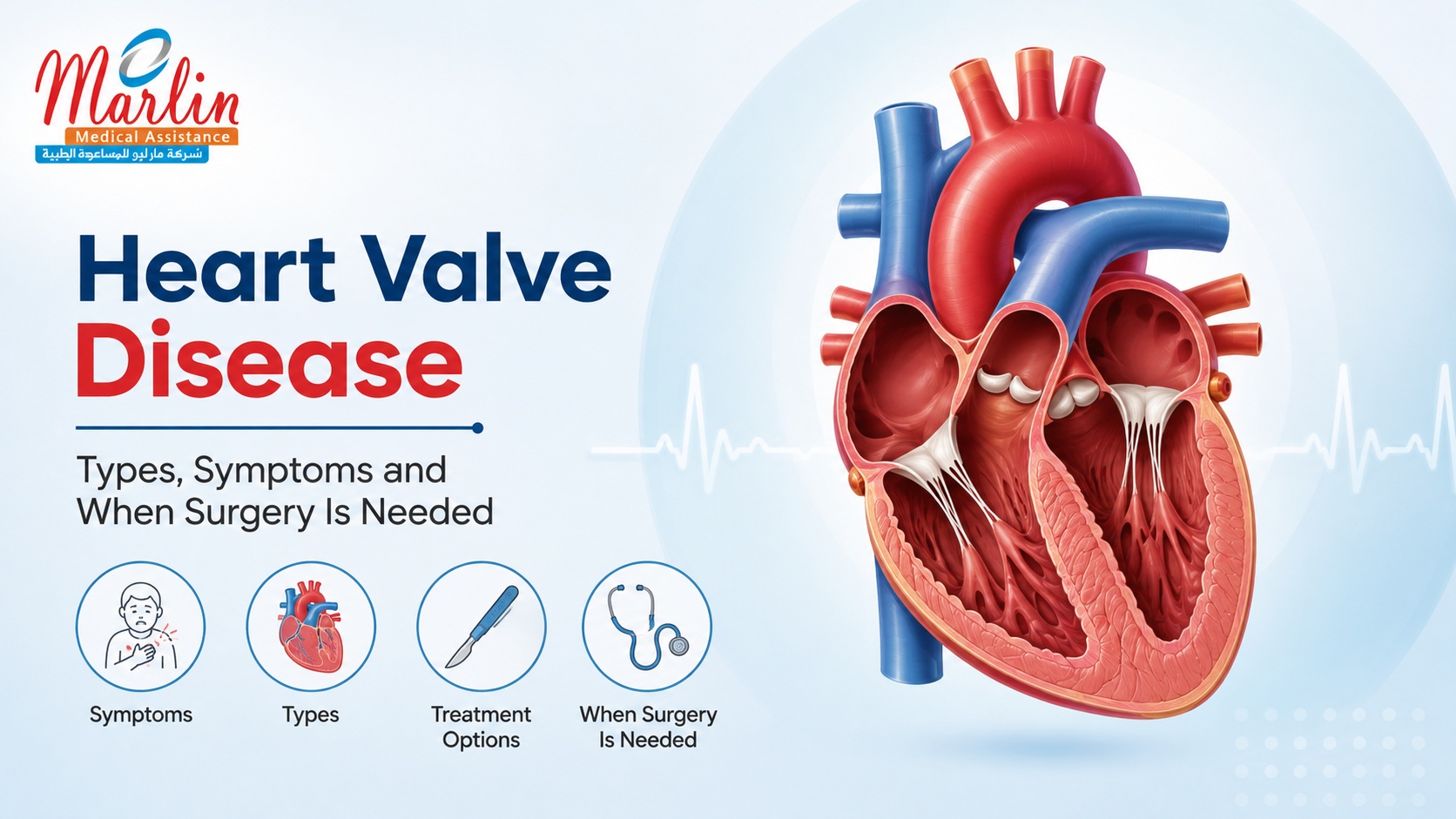
What Is Heart Valve Disease? - The Four Valves Explained
In individuals with valve disease, one or more of the valves in the heart may not work as it should. To put it simply, there are four heart valves. They help maintain the blood flow through the heart in the correct path.
However, there are several types of valve disease. In some cases, a valve is not formed or it may not close all the way properly. Or a valve opening can become narrow. Heart valve disease may change how blood flows through the heart to the rest of the body parts.
To repair or replace the heart valve, sometimes surgery may be needed as well. Yet, the treatment depends on the particular heart valve affected, including the type and severity of one’s disease.
In addition, it can be helpful to be aware of how the heart works, helping understand the causes. Four valves in our heart maintain blood flow in their right direction. These valves are:
- Aortic valve, which is between the left aorta and ventricle.
- Mitral valve, located between your left ventricle and left atrium.
- Pulmonary valve, between your pulmonary artery and right ventricle.
- Tricuspid valve, between your right ventricle and right atrium.
In addition, commonly known as cusps or leaflets, each of these valves has flaps, where the flaps open and close once during each heartbeat. So, if a valve flap does not open or close as it should, less blood may move out of the heart to the rest of the parts.
Types of Valve Disease - Stenosis vs Regurgitation
Heart valve disease are of many types, including:
Stenosis
In stenosis, the valve flaps usually get stiff or become thick. Sometimes the flaps may join together too, where these changes may cause the valve opening to become narrow. Less blood, due to this, may flow through these narrowed valves. Several mitral stenosis symptoms, such as fatigue, improper heartbeats, shortness of breath, etc., may be experienced by the people. As the opening gets narrow, the heart may pump harder. This can strain the heart and, over time, may also lead to concentric hypertrophy or the other types of heart wall thickening disease, like rheumatic mitral stenosis.
Regurgitation
In heart valve regurgitation condition, the valve flaps may fail to close properly, causing the blood to leak backward. Also referred to as the “leaky valve,” this form may cause increased blood volume in the affected heart chamber. Not to say, excess pressure and volume, over time, in a chamber may cause it to stretch and dilate, and in a few cases, thicken as well.
Prolapse
Conditions like this may lead to regurgitation too. In this, the valve flaps may become floppy and stretched out, where they may bulge backward like a parachute into the left atrium during a heartbeat. Because it may cause blood to flow backward via a valve opening, prolapse is usually lumped into the same category as the regurgitation.
Furthermore, among the most common is mitral valve prolapse, where your mitral valve, located between one’s left heart chambers, can fail to close correctly.
Atresia
Unlike others, this type often affects the pulmonary valve. In this, the valve might not be formed. However, a solid sheet of tissue can block the blood flow between your heart chambers. Atresia is among rare conditions present at one’s birth.
Instead of opening as it should, though, the valve might have failed to form well, where tissues may be blocking blood flow. Due to the same, if you are diagnosed with this type of valve disease, it may mean a valve in your heart failed to form correctly.
Most Common Valve Conditions in East Africa
Talking about East Africa, one of the most common valve conditions is Rheumatic Heart Disease here, known also as RHD. This actually accounts for around 40% of cardiovascular admissions in the region. However, unlike in the West where valve diseases are, according to the reports, mostly degenerative or age-related, young people and children are being affected by RHD in East Africa.
Besides, specific valvular pathologies that are commonly seen in the East Africa region are:
- Mitral Stenosis
- Mitral Regurgitation
- Aortic Regurgitation
- Aortic Stenosis
- Endomyocardial Fibrosis
Needless to mention, seeking valve disease treatment Africa is not easy for every individual, considering the limitations and costs. Conditions like these grow rapidly in East African people because of:
- Delayed access to antibiotics for strep throats
- Widespread poverty
- Insufficient healthcare infrastructure
Symptoms of Heart Valve Disease
Moreover, making it difficult to know, heart valve disease symptoms may develop slowly and are usually subtle. While some people may notice a few valve disease symptoms, however, many see nothing at all. Yet, for most individuals, it is easy to adapt to them and fail to notice such early warning signs, particularly as symptoms may progress gradually.
So, to help with early detection and medical intervention, understanding the specific nature of these indicators become critical. Your heart may need to work much harder to function properly and continue pumping the blood, when a heart valve fails to close or open correctly. This particular extra effort, as you may guess, leads to many symptoms.
Breath shortness
Doing activities, such as climbing stairs, may become difficult, where you may notice breathlessness.
Extreme fatigue
Persistent, unknown exhaustion in one’s body. Or the inability to maintain a regular activity level, like before, is the first symptom people experience usually.
Discomfort
You may experience an aching feeling, heavy or tightness in the chest, especially when you exert yourself.
Dizziness
Sudden fainting or lightheadedness, which may occur as and when reduced blood flow prevents the brain from getting enough oxygen.
Swelling
A backup of blood flow may cause fluid to build up, causing swelling in your ankles, legs, feet or abdomen as well.
Heartbeats
A racing or pounding feeling in your chest or neck, showing your heart may be beating too fast or irregularly.
How Is Valve Disease Diagnosed? - Echo and Cardiac Catheterisation
Diagnosis, for heart valve disease, typically starts with a physical exam where your doctor may listen to your heart, using a stethoscope, and look for heart murmurs or irregular rhythms. If things seem suspicious, though, the definitive test is suggested, like an echocardiogram which is a cardiac ultrasound, creating moving images of your valves and measuring blood flow.
To help know whether a person is experiencing mitral stenosis symptoms, or any other specific condition, like aortic valve disease, these tests play a crucial role.
Depending on the results, a cardiologist may order additional tests to check how severe it is and the stage of the disease:
- Cardiac catheterization
- Electrocardiogram, like ECG/EKG
- Cardiac stress test
- Cardiac MRI or CT scan
- Chest X ray
Treatment: Medication, Valve Repair and Valve Replacement
Treatment for heart valve disease actually depends on the:
- Affected valve
- Severity of the condition
- Symptoms experienced
- Overall health of the patient
Yet, not every person may need the same medication or repair. Varying from one to another, medications may help relieve symptoms in some, other patients may need valve repair or replacement.
| Treatment | When It Is Used |
|---|---|
| Medication | Mild to moderate or to manage symptoms before surgery |
| Valve Repair | When the damaged valve can be preserved |
| Valve Replacement | When the valve is too damaged to repair |
| Minimally Invasive Procedures | For selected patients usually, such as some with aortic valve disease or suitable cases of severe mitral stenosis symptoms |
While individuals facing mild cases may need regular monitoring only, moderate or severe diseases may need medication. If they are ineffective, the individual may be recommended for minimally invasive procedures or even surgeries, like transcatheter aortic valve TAVI for complex valve disease cases, helping restore normal blood flow as well as preventing complications, say heart failure or stroke.
Besides, early evaluation as well as timely treatment can help improve the quality of life, reducing the serious complications risks and preserving your heart function.
Heart Valve Surgery in Kenya and Tanzania - What Is Available
Fortunately, heart valve surgery in Kenya and Tanzania has become highly advanced now, with leading hospitals in Nairobi, such as the Aga Khan University Hospital and The Nairobi West Hospital, offering complex procedures. Costs usually range from USD 4000 to 45000, considering the complexity and whether the procedure needs a biological or mechanical valve. Thus, if you’re considering valve replacement surgery Kenya or any other treatment, you may get it.
However, heart valve surgery in Tanzania is primarily provided at the Jakaya Kikwete Cardiac Institute in Dar es Salaam and the Benjamin Mkapa Hospital in Dodoma. With average costs estimated around USD 8950, different procedures may be provided, from open heart valve replacements to TAVI.
| Feature | Kenya | Tanzania |
|---|---|---|
| Major Cardiac Centers | Aga Khan University HospitalThe Nairobi West HospitalMP Shah HospitalMater Misericordiae HospitalThe Karen Hospital | Jakaya Kikwete Cardiac Institute Benjamin Mkapa HospitalAga Khan Hospital |
| Procedures | Both valve repair and replacement, minimally invasive surgery, TAVI, and more | Similar repair and replacements for valves, including minimally invasive cardiac surgery options, TAVR, TPVI, and other |
| Cost (USD) | 4000 to 45000 | 8950 |
| Highlights | Advanced cardiac centres offering complex valve procedures, including TAVI. | National referral centres providing advanced valve surgery and transcatheter procedures. |
Every year, a number of individuals are being affected by heart valve disease, which is a type of heart disease. It may happen when a valve fails to open completely or doesn’t close properly. While some persons are born with it, others may develop it from heart damage and strain over time.
The treatment can depend on how your heart is functioning and overall health, if you have valve disease. Based on all, your doctor might prescribe medications first, helping manage symptoms, yet surgery to repair or replace the valve may be required in severe cases.
Get your consultation from Marlin today
Frequently Asked Question
Mitral valve is affected in both conditions, leading to fatigue, breathing problem and even heart failure, when timely care is not provided.
Disclaimer – This article is for informational purposes only and should not be considered medical advice. Always consult a qualified doctor or healthcare expert before making any treatment related decision.