
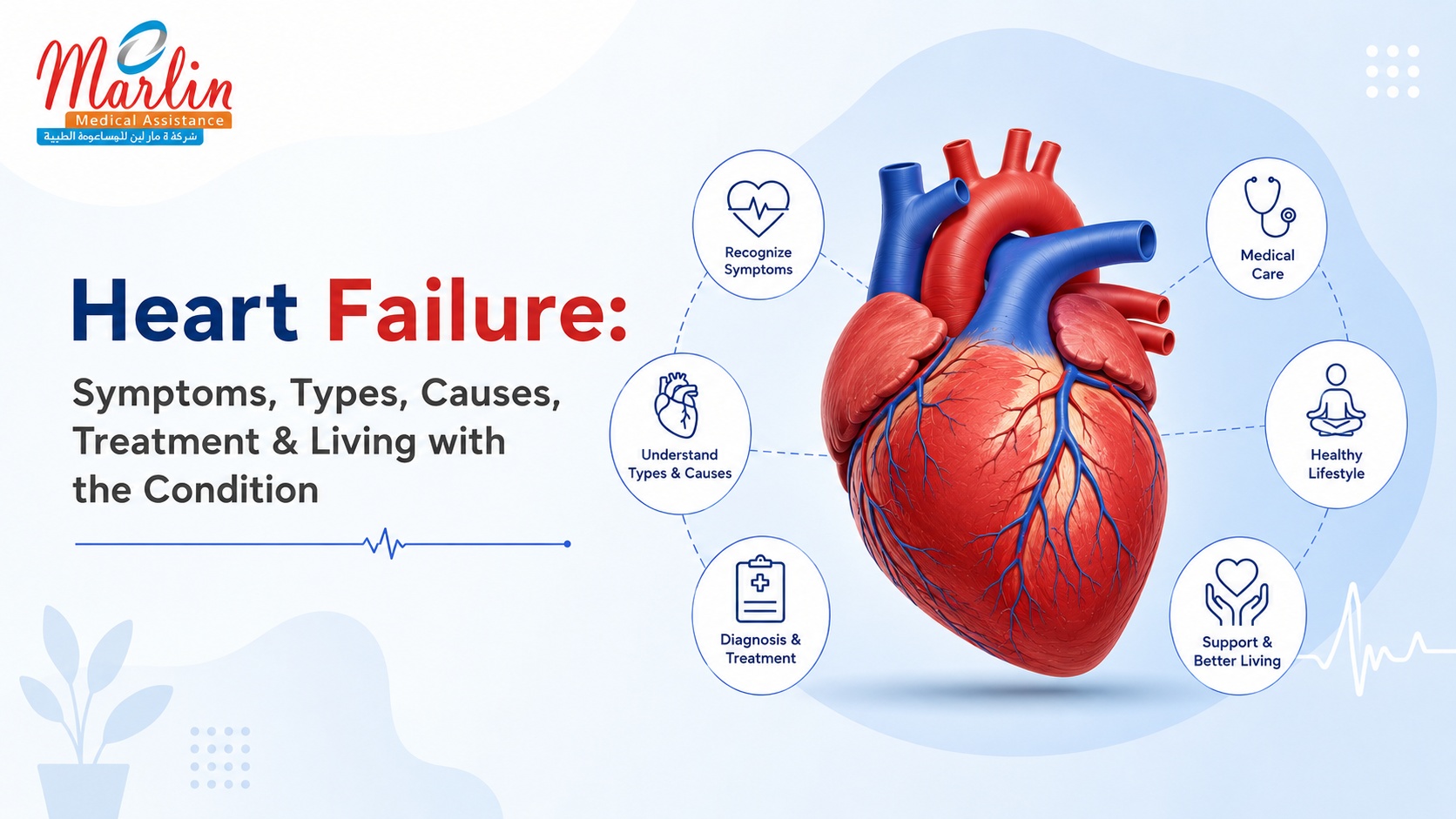
Get more information on Heart failure definition, types, systolic and diastolic, symptoms, signs, causes, diagnosis and treatment.
'Heart failure' does not mean the heart has stopped. The common heart failure symptoms are wheezing, swelling in the legs, ankle, chest pain and nausea. Heart failure is becoming a rising concern in East African countries like Kenya and Tanzania. It is responsible for numerous other heart related diseases in these countries and also all throughout the world.
Many people have the misconception that heart failure means heart stoppage. However this is not the case. This condition is highly complex and requires immediate medical attention to do away with this health issue. This blog will cover topics like the definition of heart failure, the types, symptoms, treatment and most importantly the causes of heart failure. Let's get into the details of the content :
What Is Heart Failure? — Plain Language Definition
Heart failure is not a complete stoppage of the heart. It is a condition of the heart where the heart is too weak or stiff to pump blood. The blood pumping system of the heart does not work efficiently during this condition. The condition of heart failure is common when the heart is not in the position of keeping up with the work load of blood circulation. Heart muscles and the entire heart health is seriously affected during the condition of heart failure symptoms.
Remember your heart is the only organ over which all the other body parts rely for the supply of blood. The heart controls the supply of oxygen rich blood all throughout the body. It is absolutely important for the heart to work in an efficient manner. Left, right and biventricular heart failure are common types of heart failure. The entire mechanism of the heart is drastically affected during heart failure. According to statistics, about 64 million people are affected by the condition of heart failure all around the world.
Types of Heart Failure — HFrEF, HFpEF, and Right-Sided Failure
There are two important types of heart failure. Here is the detailed analysis :
1. Left-Sided Heart Failure (HFrEF & HFpEF)
The left side of the heart is associated with proper pumping of oxygen-rich blood to all the organs and parts of the body. This is the most important part where a heart failure begins and two types of heart failures happen here. Let us understand in detail about these types :
HFrEF or Heart Failure with reduced Ejection Fraction :
HFrEF is even popular as systolic heart failure. The ejection fraction falls at or below 40% during this condition. This heart failure happens when the muscle of the heart becomes weaker and is unable to squeeze efficiently.
HFpEF or Heart Failure with preserved Ejection Fraction : HFpEF is also called diastolic heart failure and this condition happens when the heart muscle turns stiff and is not able to fill with enough oxygen rich blood. The ejection fraction is about 50% or more during an HFpEF.
2. Right-Sided Heart Failure
The right side of the heart functions to supply the oxygenless blood to the lungs. However when the heart doesn't keep up the pace of pumping the blood it leads to a blood build up in the veins. This causes leg swelling and other heart failure symptoms. The exact reason behind the failure of the right side of the heart is the inefficiencies of the left side of the heart. As the left side doesn't pump the blood efficiently the left side loses its functioning power. The fluid buildup, overload and improper blood supply causes the right side to misfunction.
Systolic vs. Diastolic Heart Failure — What Is the Difference?
Systolic and diastolic Heart failures are inherently different in nature. There are certain basic differences between systolic and diastolic heart failures. Systolic heart failure happens when the heart is not able to squeeze well enough to pump the blood efficiently with every beat. The implications of treatment are different in both cases. Let us know in detail about the differing characteristics and mechanism of systolic and diastolic heart failure :
Systolic Heart Failure
Systolic Heart Failure is even called Heart Failure with reduced Ejection Fraction or HFrEF. This problem happens when the left ventricle of the heart is too weak to pump blood forcefully through the arteries. Heart failure symptoms should be checked for an HFrEF. An ejection fraction in the case of a systolic heart failure is about 40%. This type of heart failure is caused by hypertension, chronic valve issue and past heart attack history.
Diastolic Heart Failure
Diastolic Heart Failure is even called Heart Failure with preserved Ejection Fraction of HFpEF. This situation happens when the heart is able to contract normally but the left ventricle is weak. This leads to an insufficient supply of blood between the heart beats. Heart cannot relax properly in the case of a diastolic heart failure symptoms. The ejection fraction is normally 40 to 50% in the case of a diastolic heart failure. It is mainly caused by diabetes, aging or obesity.
Symptoms of Heart Failure — Early and Advanced Signs
Heart failure symptoms are not at all difficult to recognise. There are numerous noticeable symptoms of the condition that will help in prompt heart failure treatment. Symptoms can develop over time and can lead to emergency conditions if not acted upon swiftly. If you are alert about the symptoms then it is quite sure that you will not face emergency situations in the future. Here are the symptoms of heart failure that you need to watch for :
Breathlessness : Breathlessness is among the most common symptoms of congestive heart failure. The breathlessness is mainly while lying down and carrying out daily chores.
Weakness and Fatigue : Another recognisable symptom of heart failure is constant weakness or fatigue. You should immediately get on alert mode if you recognise such a symptom in the patient or in yourself.
Swelling in the Legs : Swelling in the legs and ankle is another heart failure symptom that you should consider seriously.
Irregular and Quick Heartbeat : Quick and irregular heartbeat is also an important part of the analysis of the symptoms of heart failure.
Reduced Workout Tolerance : Reduced workout tolerance is counted among the most noticeable symptoms of this condition. The patient gets easily exhausted without an explanation.
Quick Weight Gain : Generally quick weight gain can also signal heart failure symptoms.
Early vs advanced symptoms of a Heart Failure
Early symptoms : Early symptoms of the condition include fatigue, reduced exercise tolerance, quick heartbeats and mild fluid build up.
Advanced symptoms : Advanced symptoms of the condition include digestive issues like nausea, continuous wheezing, cough, severe fluid retention and shortness of breath
Symptoms of Heart Failure in Women vs. Men
Men and women experience different types and levels of heart failure symptoms. The intensity and duration of the symptoms differ on various parameters in men and in women. Men generally experience typical symptoms of the condition whereas women experience atypical symptoms.
SYMPTOMS OF HEART FAILURE IN MEN
Symptoms of heart failure in men are typically classic and often accompanied with oedema. Let us first understand about the symptoms of heart failure in men :
Intense Chest Pain : One of the most common symptoms of the condition in men is intense chest pain. If you experience heavy squeezing or extreme chest pain then you should immediately seek medical attention.
Severe Shortness of Breath : Severe shortness of breath can also indicate heart failure symptoms. If men notice such shortness of breath then they should immediately contact a health care professional.
Lower Body Swelling: Edema or swelling in the ankles, feet, lower legs, or abdomen all can signal a serious heart failure.
Rapid Heart Rate: Heart palpitations and irregular heartbeat are other important and noticeable symptoms of heart failure.
SYMPTOMS OF HEART FAILURE IN WOMEN
Women often experience different types of symptoms than men. Heart failure symptoms in women can be highly confusing in nature. The risk of under diagnosis is greater in the case of women. Here is a detailed list of symptoms of the condition in women :
Intense Fatigue : Intense fatigue is an important symptom of the heart condition in women.
Shortness of Breath : Shortness of breath during regular household chores or activities can signal a serious heart failure in women.
Digestive Issues : Digestive issues like in digestion, loss of appetite and vomiting are also noticeable symptoms of the condition in women.
Aches in Other Areas : Body aches in neck, upper back, shoulders and both the arms can signal to this condition.
Heart Failure vs. Heart Attack — Key Differences Explained
Heart failure and heart attack may seem similar but these two heart issues are highly different. Let us have a detailed view of the difference between heart failure and heart attack :
| FACTOR | HEART ATTACK | HEART FAILURE |
|---|---|---|
| Meaning | Heart attack is a sudden blockage in the supply of blood to the heart muscle. | Heart failure is a persistent condition where the heart is not able to pump blood through the vessels the parts of the body. |
| Main Cause | Blood clots prevailing in the arteries are mainly responsible for a heart attack. | Hypertension, long term damage to the heart muscles and previous history of heart attack causes heart failure. |
| Beginning | The beginning of a heart attack is acute and sudden. | Heart failure develops over a certain period of time. |
| Symptoms | Symptoms of heart attack include shortness of breath, extreme chest pain that radiates to the arms and shoulders with cold sweats. | Symptoms of include continuous shortness of breath, swelling of the ankles and feet and exercise intolerance. |
| Treatment aim | The treatment is mainly focused on immediate restoration of blood flow with the help of treatment options like Bypass surgery and medications | The main focus of the treatment is to manage the symptoms and add lifestyle changes to control the symptoms and further damage to the heart. |
What Causes Heart Failure?
There are some common and important causes of heart failure. Congestive heart failure has certain causes. The causes of heart failure are known to weaken the heart muscles and damage the arteries and veins connected to it. Here are the causes of heart failure that are responsible for the condition :
Arrhythmias
Arrhythmias are the irregular heart rhythms that lead to extra load over the heart functioning. Even a slower heart beat can lead to this condition. You should be prompt enough to treat this condition to be safe from the issues.
Coronary Artery Disease
Coronary artery disease is another important heart failure cause in Africa. CAD or Coronary Artery Disease is responsible for the buildup of fats in the arteries that supply blood from the heart to the body. These fats narrow the arteries carrying the blood. A heart attack like condition arises when the arteries get blocked totally.
Previous Heart Attack History
In East African countries like Kenya and Tanzania heart attacks are becoming highly common. Such a history of heart attack is another common cause of heart failure in the adult and aged population.
Hypertension
High blood pressure is another cause of heart failure. Hypertension is responsible for the damage of the arteries and veins connected to the heart. Hypertension creates extra pressure over the muscles of the heart. This extra pressure happens to be a responsible factor for the condition of heart failure.
Congenital Heart Disease
A heart condition that prevails when you are born is also a common cause of heart failure. The formation of the heart muscles, arteries, veins and chambers is important. If the formation of the heart is improper then it can be a cause of a serious heart failure in the future.
Valvular Disease
The heart valves are responsible for a smooth supply of oxygen rich and oxygen poor blood from and to the heart. Valvular issues make the heart work harder for blood supply. This is the exact cause of a heart failure in the future. The treatment of heart failure symptoms requires a proper study of this cause.
Diabetes
Diabetes and high blood sugar are also responsible for the development of this condition. Diabetes is known to affect the normal functioning of the heart leading to the base of heart failure. Diabetes is among the most leading causes of heart failure in countries like Kenya and Tanzania.
Heart Failure Caused by Hypertension — Most Common in East Africa
Hypertension is the leading cause of heart failure in the East African region. It is responsible for about 50% of the acute cases of heart failure. This is mainly because of the growing stress levels, consumption of high salted foods and the increasing sedentary lifestyle patterns. The region also experiences negligence towards the issue of hypertension.
Heart failure caused by hypertension is on a constant rise in Kenya and Tanzania. A hypertensive heart is known to lead to a reduced heart efficiency. Hypertensive cardiomyopathy is the common cause of heart failure in Kenya and Tanzania. It is highly essential to control hypertension by lifestyle modifications and medications to tackle the situation.
How Is Heart Failure Diagnosed?
Diagnosis of heart failure is something that plays an important role in the treatment of the condition. There are numerous ways and techniques to confirm the prevalence of heart failure. Let's understand in detail about how a heart failure is diagnosed :
Physical Examination
One of the most basic ways to confirm a heart failure is to monitor blood pressure and diabetes of the patient. Looking for symptoms like swelling of the legs, shortness of breath and fluid retention play an important role at this stage.
Echocardiogram
The ultrasound technique used in an Echocardiogram helps in the diagnosis of a heart failure. This technique is known to get the details about the valve functioning, ejection fraction and the blood plumping capacity of the heart.
Electrocardiogram or ECG
An ECG that records the heart's electrical functioning helps in diagnosing the conditions after heart failure symptoms are visible.
Blood Tests and Cardiac MRI
Blood tests like B-type Natriuretic Peptide or BNP helps in measuring markers that tend to rise when the heart experiences a load due to various reasons. Cardiac MRI also helps confirm the prevalence of heart failure. Both of these techniques are easily and conveniently available at major hospitals in Kenya and Tanzania.
Imaging Tests
A Chest X-ray is used to visualize pulmonary congestion and heart. It is an important part of the heart failure diagnosis.
Treatment Options for Heart Failure
Heart failure treatment in Kenya can be divided into 3 important categories. These categories are lifestyle modifications, surgical procedures and medications. Let us have a detailed view of all these treatment options :
Lifestyle Changes
Fluid Management: Regular monitoring of fluid management helps in controlling the effects of heart failure over the heart and related arteries and veins.
Sodium Control : Sodium control is also an important part of the treatment of heart failure.
Weight Management : Regular weight management helps in managing the heart issue at its root.
Surgical Procedures
Surgical Interventions: Surgical procedures like valve repair or replacement and Coronary Artery Bypass Graft or CABG help in easing the blood flow to the heart.
Implantable Cardioverter-Defibrillator or ICD: ICD is a part of a shock treatment that helps in treating irregular heartbeats. Implantable Cardioverter-Defibrillator helps in managing heart failure symptoms.
Cardiac Resynchronization Therapy or CRT : A CRT procedure regulates the beating of the heart's lower chambers to increase the efficiency of heart pumping.
Recommended Medications
ACE Inhibitors & ARBs: Medications like lisinopril play a vital role in improving blood flow to the heart.
Beta-Blockers : Beta-Blockers like carvedilol and bisoprolol help in reducing the hypertension and improve the heart functioning.
SGLT2 Inhibitors and Diuretics : SGLT2 Inhibitors help in controlling the symptoms of heart failure. Diuretics help in extracting the extra sodium from the body.
Medications Used in Heart Failure — What They Do
Let us have a tabular view of the medications used in heart failure and what they actually do :
| DRUGS | PURPOSE | COMMON SIDE EFFECTS |
|---|---|---|
| ARBs | Treat heart failure,treat and high blood pressure, | Fatigue, Dizziness or lightheadedness, and Headache. |
| ACE Inhibitors | Treat hypertension and lower blood pressure | Dry cough, dizziness and taste changes. |
| ARNIs | Relax and widen blood vessels. | Kidney issues, hypotension and dry cough. |
| Diuretics | Treat edema and flush excess water and salt. | Dehydration, gout and muscle cramps. |
| Beta-Blockers | Control the effects of adrenaline and lower heart workload. | Metabolic and gastro inefficiencies.. |
| Aldosterone Antagonists | Manage heart failure and edema. | Higher potassium levels and neurological issues. |
Heart Failure Treatment in Kenya and Tanzania — What Is Available
Heart Failure Treatment in Kenya
Kenya has some of the most standardized heart failure treatment facilities. Facilities like Aga Khan University Hospital at Nairobi, KUTRRH, Tenwek Hospital, and The Karen Hospital are available for convenient treatment of heart failure in Kenya. Drugs and medications like ACE inhibitors, diuretics, beta-blockers, and mineralocorticoid receptor antagonists can be affordably accessed there.
Heart Failure Care in Tanzania
Tanzanian heart failure care is generally located near and in major hubs like Dar es Salaam and Kilimanjaro. Facilities like Jakaya Kikwete Cardiac Institute, CardioCare Tanzania Limited, Muhimbili National Hospital are available for the cause in Tanzania. Anti-hypertensives and diuretics are available at these facilities.
Living with Heart Failure — Diet, Exercise, and Self-Monitoring
A good management of heart failure comes with proper self monitoring, diet, exercise and several lifestyle changes. Treatment and medications are not enough to control the effects of this heart condition. There are certain tips, lifestyle changes and important guidelines that you need to follow if you wish to fight the condition in a successful manner. Living with heart failure is easier if you follow these tips. Here is the list of important guidelines and tips for you to follow in order to lead a healthy life with heart failure symptoms :
Daily weight monitoring or fluid gain
Daily weight monitoring is recommended during the treatment of heart failure. Regular weight monitoring and fluid gain form an important part of the management of the condition. An appropriate weight helps in recovering from the condition quicker and better.
Salt restriction (<2g/day)
Salt is among the main culprits of heart failure. Restricting the consumption of salt that is less than two grams per day is the best standard for the management of this problem. Heart failure diets should not include high salts. Living with heart failure is easier if you restrict salt.
Fluid restriction
Fluid restriction is also an important segment of the treatment of heart failure. Patients suffering from volume overload should generally target for about 1.5 to 2.0 liters or 48 to 64 ounces of fluid daily. However this restriction applies to the case of severe heart failure.
Graded exercise
Graded exercises are also important in order to lead a healthy life with heart failure symptoms. Graded exercises help in enduring with the treatment plan for this heart condition. Graded exercises are always an important part of physical activities during heart failure treatment.
Medication Adherence
Medications play a very important role in managing the symptoms and effects of heart failure over the entire body. Treatment of congestive heart failure with medications like ARNIs, beta-blockers, SGLT2 inhibitors and MRAs supports the condition management process in a positive manner.
Heart Failure Prognosis — How Long Can You Live?
Life expectancy with heart failure mainly relies on the stage at which it is diagnosed. It even depends upon the type and intensity of the treatment. About 50% of the people live for a minimum of 5 years after the initial confirmation and 35% live for more than 10 years after the diagnosis. Heart failure prognosis and how much you can live wholly depends on the way the entire treatment procedure and lifestyle changes work.
Stage A & B (Early Stages)
If the heart failure is diagnosed at the earlier stages then you have more chances of survival. However this demands proper treatment procedure and therapies. Treatment plays an important role in the prognosis and it helps in increasing the life after the development of this health condition. Following all the treatment and medication related guidelines can help patients to live a healthy and normal life of about 10 years.
Stage C (Moderate)
This stage is even known as the moderate stage of heart failure. This hails from symptoms of heart failure and heart attack. The survival rate of this stage is about 3 to 5 years. However this relies over the treatment success and symptom management. If heart failure symptoms are managed well then you can live a longer life.
Stage D (End-Stage)
Stage D, also called the end stage of heart failure, is often the most dangerous phase of the condition advancement. The life term after the diagnosis of congestive heart failure at this stage is not more than one or two years. However this survival period depends upon the application of treatment options like ventricular and heart transplants.
When Does Heart Failure Require Medical Evacuation?
Heart failure needs medical evacuation or medevac when the patient experiences emergency type congestive heart failure symptoms like inability to lie flat breathlessness, intense chest pain, and fainting. Medical evacuation is helpful when the patient is located at a remote location. Here is a detailed list of heart failure symptoms that require immediate medical evacuation :
Acute Pulmonary Edema : Quick fluid buildup in the lungs that leads to intense shortness of breath is a symptom to look for.
Orthopnea : Orthopnea is an inability to lie flat in bed without suffering from extreme breathlessness.
Severe Chest Pain : The patient who experiences severe chest pain needs immediate medical evacuation. This pain is generally accompanied by nausea, sweating and radiating pain.
Rapid Weight Gain : You should look for a rapid weight gain symptom in the patient. This is because an increase of more than 5 pounds of weight per week can be an important heart failure symptom.
Continuous Coughing : Another symptom that needs immediate medical attention is a continuous coughing.
Advanced surgical options available for heart failure in Kenya and Tanzania are minimally invasive surgeries, open-heart surgeries, and device implantations. However Acute decompensation needing IV therapy is not conveniently available locally in Tanzania and Kenya.
Get your RHD consultation from Marlin today.