
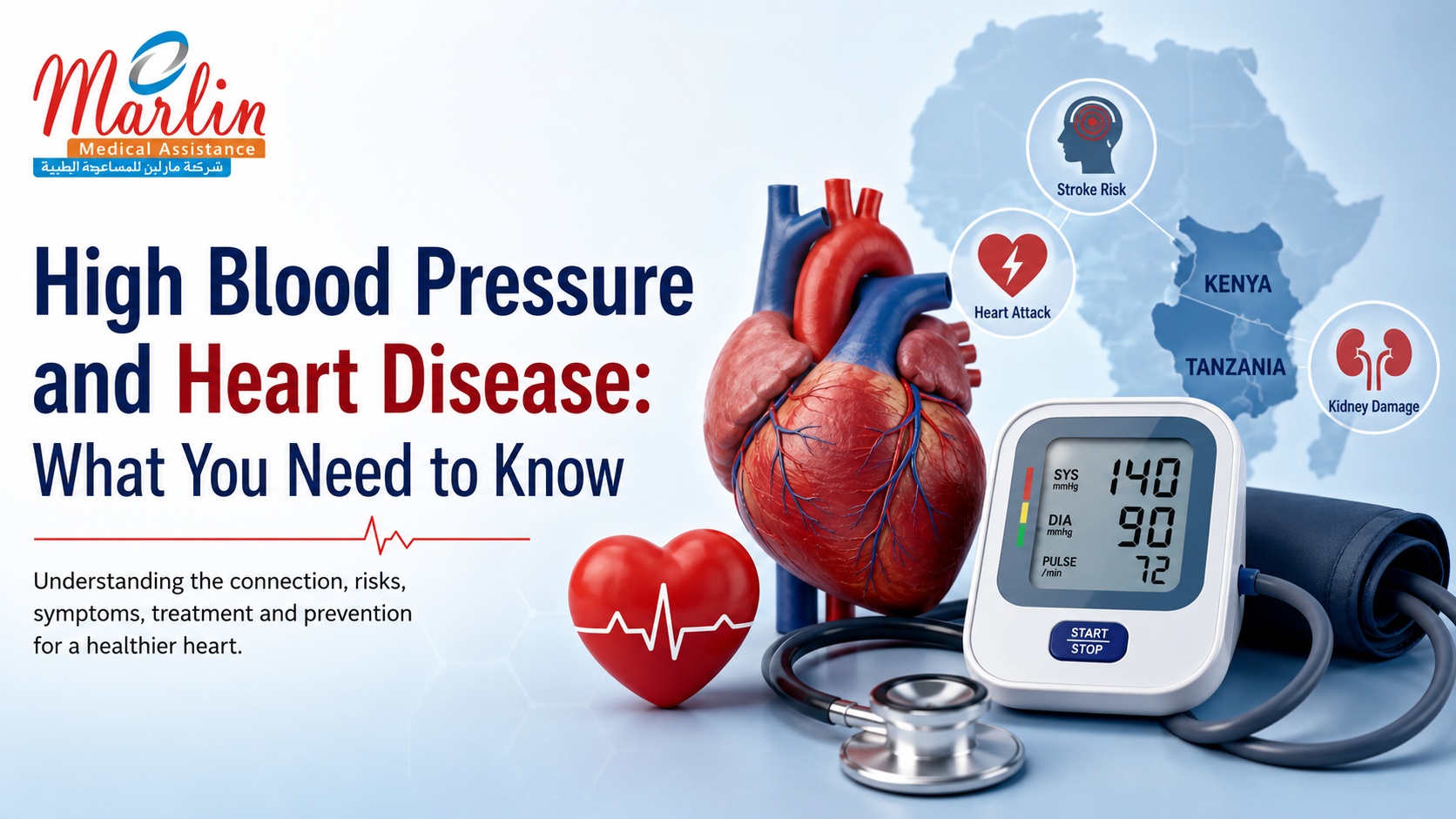
Hypertension often has no symptoms until serious damage is done. Hypertension heart disease is constantly on a rise in countries like Kenya and Tanzania. About 25% of adults in East Africa are affected and suffering from hypertension. The statistics are truly alarming. This is the exact reason why this blog becomes relevant and highly useful.
We will cover all the important segments of the topic including the definition of hypertension, its effect over the heart, symptoms, diagnosis, treatment and medical care. Also you should not miss the risk factors and preventive measures against hypertension. Here we go :
What Is Hypertension? — Blood Pressure Ranges Explained
Hypertension heart diseases or high blood pressure in Kenya is a condition wherein the blood momentum and force is constantly high over artery walls. Hypertension makes your heart thrive harder and harder to keep the blood flow normal. This leads to serious heart related conditions like stroke and heart diseases. Blood pressure should be monitored in an efficient and consistent manner. Blood pressure readings are based on systolic and diastolic pressures. Let us understand these terms before proceeding further.
Systolic Pressure : Systolic Pressure is the blood pressure when the heart actually beats. This is basically an active blood pressure.
Diastolic Pressure : Diastolic blood pressure is the blood pressure when the heart rests between its beats. It is actually a passive blood pressure.
Let us understand the blood pressure ranges in a tabular form :
Blood Pressure Ranges
| TYPE | SYSTOLIC ( mm Hg) | DIASTOLIC ( mm Hg) |
|---|---|---|
| NORMAL | Less than 120 | Less than 80 |
| HIGH | 120 to 129 | Less than 80 |
| Stage 1 High pressure | 130 - 139 | 80-89 |
| Stage 2 High pressure | 140 or more | 90 or more |
| Hypertensive Issues | More than 180 | More than 120 |
How Does High Blood Pressure Damage the Heart?
A heart attack caused by hypertension doesn't occur out of the blue. It follows a proper mechanism. Blood pressure causes extreme stress over the heart muscles. This leads to serious heart related conditions including hypertension heart disease. Search pressure over the heart causes irregular hard rhythms and palpitations. Littles have a look at the entire mechanism that works behind the damage cost to the heart due to high blood pressure :
Increased Workload on the Heart
The high blood pressure symptoms lead to the increased workload on the heart. The extra stress on the tissues of the heart creates disruptions in the heart's electrical signals. All this contributes to irregular heartbeats and abnormal palpitations.
Left Ventricular Hypertrophy
As the heart keeps on pumping blood against high pressure, the muscle walls of its main pumping chamber or the left ventricle stiffen over time. This restricts the capacity of the chamber and adds to the entire heart condition.
Heart Failure
Now something dangerous and highly alarming happens to the heart. Heart muscles weaken from the constant high pressure. It doesn't pump enough blood to sustain the entire body's blood needs. This ultimately leads to a condition known as heart failure.
Arterial Stiffening
The high force of blood affects the delicate inner linings of your arteries. It leads to further tears in and around the heart. This condition is even responsible for a build-up of cholesterol and plaque. This ultimately leads to narrowed arteries restricting proper blood flow.
Increased Heart Attack Risk
The condition preceding the heart attack leads to the death of a heart muscle. The restricted supply of blood is highly responsible for the situation. Such conditions cause hypertension heart attacks.
Hypertension and Left Ventricular Hypertrophy (LVH)
Left ventricular hypertrophy or LVH is an abnormal rise in left ventricular mass. This condition is responsible for various heart related conditions like peripheral arterial disease, heart failure and strokes. Hypertension is known to cause LVH and further complications in the Kenyan and Tanzanian population.
Left Ventricular Hypertrophy can be diagnosed by magnetic resonance imaging
electrocardiography and echocardiography. Black population is more likely to develop LVH than the white population. The heart 'bulks up' due to constant pressure — like an overworked muscle. This gradually weakens the heart. LVH is the most common cardiac condition of uncontrolled hypertension heart disease in the East African region. Hypertension treatment surely brings down the risk of LVH.
The Link Between Hypertension and Stroke in East Africa
Hypertension is the modifiable stroke risk factor in East Africa. East African populations have disproportionately high stroke levels. High blood pressure is linked to about 90% of hemorrhagic strokes or bleeding in the brain and more than 50% blood clots in Kenya and Tanzania. People between the age of 40 and 65 are more likely to be affected by the condition. Hypertension does not only cause heart damage but high blood pressure symptoms also cause other internal issues. However proper lifestyle changes and medications certainly help in lowering the risks of hypertension in Tanzania.
Symptoms of High Blood Pressure — The Silent Killer
High blood pressure or hypertension is a ‘Silent Killer’ for a reason. This is because it doesn't show visible symptoms till the condition causes high damage to the heart and related organs. The World Health Organisation claims that about 46% of individuals do not know they have hypertension. However symptoms of hypertension do appear after the advancement of the condition. Here are the high blood pressure symptoms :
- Changes in your mental function
- Chest pain
- Dizziness
- Blurred vision
- Edema or swelling
- Heart palpitations
- Nosebleeds
- Peeing less than usual
- Seizures
- Severe headache
Hypertension should not be considered lightly. Though symptoms can be obvious you should not forget that the condition causes high damage before the symptoms occur. You should not wait for the last moment. Keep on getting checked up for any possibility of hypertension because health is truly wealth.
Risk Factors for Hypertension in Kenya and Tanzania
Hypertension risks in Kenya and Tanzania are rising especially in recent years. As we have discussed earlier one in every 4 individuals in Kenya and Tanzania is affected by hypertension. This seriously calls for a change in the situation. Let us know about the risk factors for hypertension and hypertension heart diseases in both of these countries.
Sedentary Lifestyle
Sedentary lifestyle is increasing in countries like Tanzania and Kenya. This is mainly because of the rise in tertiary sector jobs and urbanization. Automated life and easy living is contributing a lot to an increased rate of high blood pressure symptoms in these countries.
Diabetes
Type 2 diabetes is also linked with an elevated risk of hypertension all throughout the world. Type 2 diabetes is considered to be another risk factor for hypertension in countries like Kenya and Tanzania.
Alcohol and Smoking
Alcohol greatly increases the risks of diabetes and blood sugar. Similarly smoking is also responsible for heart and blood vessel damage. Alcohol and smoking habits are increasing in the East African region leading to a high rate of hypertension.
Obesity
Increased Body Mass Index or BMI and central adiposity are highly responsible for hypertension. Obesity was always a factor contributing to a heightened risk of high blood pressure and blood sugar too.
Salt Heavy Diets
High calorie and processed foods have a high level of sodium in it. Africans are shifting from a traditional healthy diet to modern high sodium diet habits. This is mainly due to fast food and junk food habits. High sodium intake is directly related to high blood pressure.
Genetics and Stress
People having a family history of hypertension have a higher risk of the same. Stress is another factor causing hypertension in younger adults. According to research stress increases the risk of hypertension upto 22%.
Why Black African Populations Have Higher Hypertension Rates ?
Higher hypertension rates in Black populations are mainly caused by a mix of factors including genetic predispositions, and physiological and social factors. Here is the detailed list of causes behind higher hypertension rates in Black African populations :
Stress and Socioeconomic Factors
Stress is an important and common cause of higher hypertension rates in the Black African population. This stress is rooted in socio-economic inequality, high cortisol levels, improper healthcare infrastructure and other severe social factors.
Genetic Predisposition causing Salt Intolerance
African people have a higher genetic predisposition to salt intolerance. This causes their bodies to keep back more sodium. This factor is highly responsible for hypertension.
Diet and Lifestyle Factors
The lifestyle of people in the region is highly motivated by high sodium diets. About 60 to 70% of Black Africans get hypertension due to a high sodium diet. Similarly diabetes and obesity is constantly rising among the people of the region. Type 2 diabetes is also increasing in the region.
The "Diaspora" Effect
Studies suggest that African people living in Western world have higher rates of hypertension in comparison to those staying in rural sub-Saharan region. This factor is highly responsible for higher hypertension rates in the Black African population.
Physiological Disparities
African people have a higher genetic variation and sodium retention tendency. Also the impact of hypertension managing medications is different over African people due to different physiological buildup.
Diet and Lifestyle Factors in East African Communities
There are some lifestyle and diet related factors prevailing in the east African communities that are responsible for hypertension heart diseases. Some of these factors include the inclusion of processed food and high sodium intake in a regular diet. Let it get into the details and understand more about these factors :
High Sodium Intake
According to the World Health Organisation an adult should not consume more than 5 grams of salt everyday. Some of the dishes eaten by East African people have high sodium quantities in them. This is also one of the most common diet related risk factors causing hypertension in people.
Unhealthy Sugars
Refined sugar is proven to increase the risk related to heart conditions. It is even responsible for high blood pressure and high blood sugar. These conditions are risk factors contributing to hypertension in the East African region and also throughout the world.
Sedentary Lifestyles and Urbanization
Urbanization is constantly on the rise in the East African region. Simultaneously sedentary lifestyles are also becoming common among youngsters and adults in the region. Both these reasons are contributing highly to the rapid increase in hypertension related issues.
Ugali and Nyama Choma
Ugali and Nyma choma are also responsible for hypertension heart diseases. Again moderation is always the key to a healthy life. Nyama coma and Ugali are not risky in their root nature but over consumption can always lead to certain heart related conditions.
How to Measure Blood Pressure Correctly at Home ?
Measuring your blood pressure at home is not at all difficult and surely not impossible. There are a number of centres located in Kenya and Tanzania that will help you in measuring your blood pressure. However measuring blood pressure at home is highly relevant and important as this keeps you motivated and alert at all times. Measuring blood pressure at home is an important part of hypertension treatment.
Microlife monitors and Digital Omron blood pressure monitoring machines are easily available in Kenya and Tanzania. Measuring blood pressure consistently always helps during hypertension heart diseases. Here is how you can measure your blood pressure at home :
1.Rest for 5 mins
Firstly, resting for about 5 minutes is an important initial stage of measuring blood pressure at home. It is quite natural for blood pressure to be high while doing moderate or heavy activities.
2.Correct Cuff Size
You should ensure that the cuff size is perfect as this is important in measuring the blood pressure.
3.Keep your Arm at Heart Level
Now it is time for you to keep your arm at the heart level. Blood pressure has a direct connection with heart rhythm and the entire heart is an organ. Keeping your arm at heart level will ensure that your self measured blood pressure is highly accurate.
4.Take 2 Readings 1 Minute apart
Take two readings 1 minute apart. Generally blood pressure readings measured individually do not provide reliable results. However taking two readings 1 minute apart will ensure the reliability of the results.
5.Record Both the Readings
Record both the readings and keep on monitoring your blood pressure. Self- measured blood pressure is known to decrease blood pressure in people who continuously monitor their blood pressure.
Treatment: Medications and Lifestyle Changes for Hypertension
Hypertension related heart attacks can be managed by treatment including medications and lifestyle changes. Let us understand about the medications that help in treating hypertension heart attacks :
Medications to Manage Hypertension
Medications are used when lifestyle changes are not enough to relieve the symptoms and effects of hypertension. All these medications are conveniently available in Kenya and Tanzania. Blood pressure medication in Africa helps in managing the symptoms. These are the medications that help in treating hypertension heart diseases.
ARBs : Angiotensin II receptor blockers like telmisartan and losartan can be used to provide relief from hypertension.
ACE Inhibitors : ACE Inhibitors like enalapril and lisinopril help wonderfully in relaxing the blood vessels and provide protection to kidneys.
Calcium Channel Blockers : Calcium Channel Blockers help in keeping the blood vessels relieved and highly relaxed.
Diuretics : Diuretics like hydrochlorothiazide and chlorthalidone help the body in flushing out unnecessary sodium from the body. Diuretics are a normal part of hypertension treatment.
Lifestyle Changes to Manage Hypertension
Lifestyle changes are always preferable over medications. This is mainly because lifestyle changes have been proven to offer long term impact against hypertension heart diseases. Here are some lifestyle modifications that you can adopt in order to stay away from hypertension
Cutting down on Sodium : Cutting down on sodium is highly necessary in the case of hypertension. Generally about 2000 mg of sodium daily is the maximum limit.
Dietary Applications : Include vegetables, lean proteins, whole grains and certain dry fruits like almonds and dates in your daily diet. This helps in getting the necessary nutrition supporting the entire heart health.
Regular Exercise : You should keep a goal of about 150 minutes of moderate intensity workout on a weekly basis. Regular exercise is even connected to a controlled blood sugar level.
Stop Alcohol & Tobacco : Stop the consumption of alcohol and quit smoking to take care of your blood vessels.
Weight Management : Managing your weight is highly important to control hypertension. This always protects you from blood sugar, obesity and other heart related conditions.
Preventing Hypertension-Related Heart Attacks
Preventing hypertension heart disease is always a better option than finding the cure to it. Hypertension prevention is always better than hypertension treatment. Here is how you can prevent a hypertension related heart attack :
Medication
Medication is necessary to control hypertension related heart attacks and heart diseases. You should not skip on medications that help you in preventing further damage due to hypertension. Stick to prescribed medications and you will always stay away from hypertension.
Nutrition and Dietary Changes
Hypertension heart disease is also caused by a diet that is high in saturated fats and sodium . This is the exact reason why dieter changes and nutrition will alter the entire condition. Including vegetables, fruits, whole grains and lean protein in your daily diet will help you in staying away from hypertension or high blood pressure.
Physical Activities
Research proves that a sedentary lifestyle is also responsible for hypertension and related conditions. You should aim for about 150 minutes of moderate intensity exercises like cycling, swimming and walking every week. Weight training is also proven to improve heart health.
Track Numbers
Target your blood pressure between <130/80. Check your blood pressure regularly to keep a watch over hypertension. Checking blood pressure will help you in recognising the gravity of the symptoms. This will help you in staying alert about any possible heart condition in the future.
Stop Alcohol & Tobacco
Stop smoking or using tobacco products, as they damage artery walls, and alcohols are responsible for high blood pressure. You should even combine diabetes and cholesterol management to prevent a hypertension related heart attack in the future.
Go for Routine Screenings
Community level health screening in Kenya and Tanzania are becoming highly popular. You can always be a part of such screenings and stay away from hypertension related heart attacks.