
Quietly. Slowly. Usually without any hint. And then comes the day when you learn that you’ve got a heart disease. Yes, experts have been highlighting diabetes heart disease risk for decades. But this is how things are ending with millions of people living with diabetes.
Many keep the blood sugar within range, not aware that it may still damage blood vessels and the heart muscle as well. Even with no early warnings, you can get diabetic cardiomyopathy or other complications, especially when timely and suitable care is not sought.
When it comes to your heart health, recognizing the hidden risks is the first step. You can make necessary decisions as you understand heart disease diabetes connection, changing lifestyle and implementing better strategies accordingly.
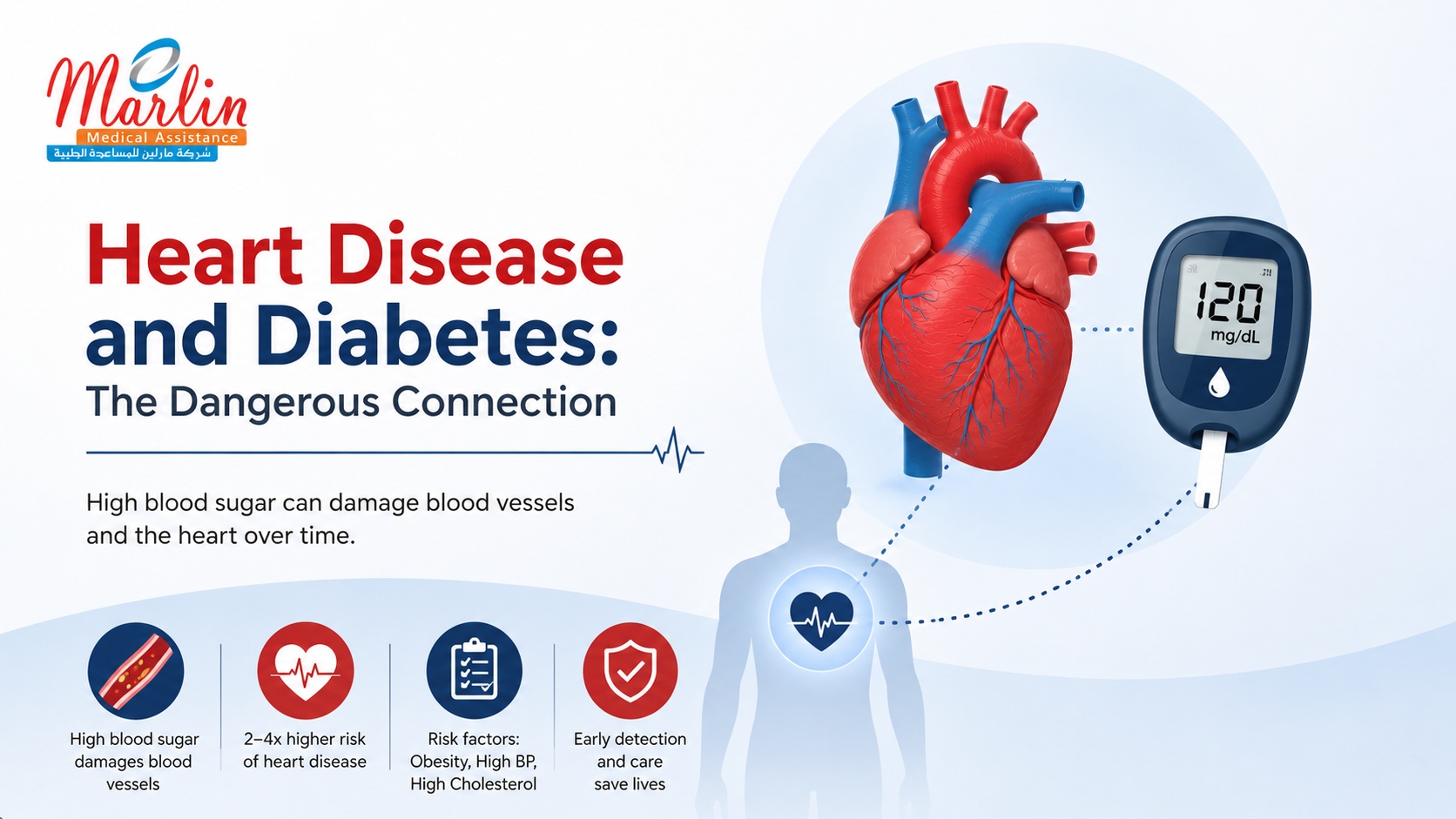
Adults with diabetes are two to four times more likely to die from heart disease, compared to the others without it. This is due to high blood glucose, damaging blood vessels and nerves over time. Diabetes may also happen again with multiple risk factors, like obesity. Key heart disease risks for those with diabetes are diabetic cardiomyopathy, heart failure, etc.
How Diabetes Damages the Heart - The Mechanisms
However, diabetes may damage the heart in many ways, primarily by causing damage to nerves and blood vessels over time, especially when suitable and timely care is not sought. High blood sugar can cause inflammation, not to mention, increase cholesterol buildup and make the artery walls stiffen.
Additionally, blood flow may be restricted, increasing diabetes heart disease risk, as the blood vessels narrow.
Although hard to believe, the heart disease diabetes connection operates in a few specific ways.
Atherosclerosis and Vessel Damage
Making it easy for fatty deposits and cholesterol to build up much faster, excess amount of glucose in your blood can damage the inner lining of arteries. Due to this narrowing of coronary arteries, the blood and oxygen delivery to the heart is restricted, making you prone to diabetes heart disease risk.
Nerves Damage
Furthermore, the autonomic nerves, regulating blood pressure and heart rate, may be damaged by diabetes. Because of this, a person may have “silent heart attacks” without even experiencing typical check pain.
Compounding Risk Factors
In most cases, diabetes may not cause the damage alone. What it is actually frequently accompanied by is:
- High blood pressure
- Unhealthy cholesterol profiles, like high LDL and triglycerides
- Obesity
All of which are the primary reasons for rapid increase in blood sugar heart disease and other cardiovascular related complications, and so, when they all are combined, the health risks may be even higher.
Why Diabetes and Heart Disease Are So Often Found Together in East Africa
For a number of factors, diabetes heart disease risk is increasingly common in East Africa. This includes:
- Rapid urbanization
- Dietary shifts toward processed foods
- Adoption of Western diets
- Increased physical inactivity
- Transition to sedentary jobs
In addition, what makes the situation worse is the fact that over 40% of people with diabetes in Sub-Saharan Africa are not aware of their condition, which can lead to late treatment and accelerate damage to the heart and blood vessels.
Because of these, the recent few years have reported overall diabetes cardiac complications Africa to be rising at a faster pace. Needless to say, these fast changes have driven an increase in obesity and metabolic syndrome.
Moving away from their earlier traditional high fiber-based diets, the people are relying more on processed foods, refined carbohydrates, and added sugars.
Furthermore, populations of African descent have, as compared to others, a higher genetic predisposition, making them insulin resistant and beta-cell ineffective.
Also, in east Africa, uncontrolled high blood pressure, aka hypertension, is emerging as the leading cause behind diabetes heart attack Kenya or heart failure.
Symptoms of Heart Disease in People with Diabetes
As nerve damage, in most patients, may usually block the warning signs, including chest pain, people with diabetes can experience subtle or even what’s referred to as the “silent” heart disease symptoms.
Signs that may be related to this include:
- Facing breathing difficulties
- Noticing extreme fatigue
- Unexplained indigestion issue
- Dizziness
- Facing pain in the arm, jaw or neck areas
The primary reason for why symptoms are different is that high blood sugar may damage the nerves who help carry pain signals to the brain, known as diabetic neuropathy. Due to this, however, someone with diabetes may fail to experience the common signs, like chest pain during a heart issue.
Instead, a heart attack may come as subtle fatigue or discomfort. So, as intense chest pain may not be experienced, it is crucial to not to ignore minor symptoms.
The Role of Blood Sugar Control in Heart Protection
For effective heart protection and to lower diabetes heart disease risk, the role of blood sugar control is quite significant and essential. To put it bluntly, high glucose levels in your body for prolonged periods may cause damage to blood vessels and nerves. This can make the chances of cardiovascular risks even higher.
Therefore, by having effective blood sugar management, you can:
- Lower artery inflammation
- Stop plaque buildup
- Reduce risks, such as heart attacks, stroke, etc
Here is how one can safeguard their heart health by focusing on controlling their blood sugar.
As higher sugar levels in your blood may cause inflammation and oxidative stress, they can make artery lining become stiff and narrow. Moreover, dangerous cholesterol in these arteries may start to build up, all of which can be prevented by having a well-controlled blood sugar.
The heart muscle may over time weaken, especially because of increased blood pressure. To keep the heart healthy, it’s vital to have tight glucose control.
One of the rapidly rising concerns in silent heart attacks, as high blood sugar may cause severe damage to nerves, preventing you from knowing about the heart attack. Needless to say, this makes early detection more difficult.
Above all, studies suggest that a lower, stable hemoglobin A1c may be beneficial for overall health, around 7.0 to 8.0 percent, possibly reducing the rate of major cardiovascular issues.
Managing Cardiovascular Risk If You Have Diabetes
You need quite a different approach, though, when it comes to managing cardiovascular risk in diabetes.
Focusing on lifestyle changes, including moderate aerobic activities on a regular basis, is the first step you need to take, which is actually important for type 2 diabetes heart disease prevention especially. In addition, you need to choose a diet that supports your heart health over processed or the ones rich in high salt and sugar.
Medically, you need to ensure a number of things, including:
- Control blood pressure
- Manage LDL cholesterol
- Get prescribed medications, if any, on their right time
Moreover, leading health institutes recommend an effective “ABCDE” strategy designed for individuals with diabetes to help reduce cardiovascular risks:
A – A1c
It refers to sugar test and control, focusing on lowering your glucose level and keeping it within the ideal range.
B – Blood Pressure
You need to make sure you target to keep your blood pressure as close to the recommended range as possible.
C – Cholesterol
However, managing bad cholesterol, LDL, is the next important decision. If lifestyle and diet changes are ineffective, you may be provided therapies with several drugs.
D – Diet and Lifestyle
As said earlier, implementing a healthy eating habit plays a key role in overall outcome.
E – Evaluation
Regular screening is necessary for persons at higher diabetes heart disease risk, allowing them to monitor the changes and provide suitable care according to the need.
Which Diabetes Medications Are Best for Heart Health ?
At present, studies show that there are several medications that can be helpful for heart health in people with diabetes. For example:
- GLP - 1 receptor agonists
- SGLT 2 inhibitors
Not just these drugs help lower blood sugar and manage diabetes heart disease risk but also protect the heart from cardiovascular events, and other risks. Although, the “best” or effective medications can vary from one to another patient, and they may be provided based on several factors, including overall health.
Cardiac Screening Recommendations for Diabetic Patients
For diabetic patients, cardiac screening is quite crucial, as diabetes can make a person more vulnerable to coronary artery disease and cause silent heart attacks too.
Standard screening may include different core areas, such as:
- Blood pressure checks
- Lipid panel
- An annual resting ECG
- A1c test
Even though the probability of developing cardiovascular disease may be relatively higher in people with diabetes, it doesn’t mean you’re out of options. Thankfully, one can take several crucial steps, as mentioned, to effectively lower diabetes heart disease risk, helping improve overall health. So, whether it’s type 1 or 2, consult your healthcare provider now without any worry, seeking the required care and gaining the control back.
Disclaimer – This article is for informational purposes only and should not be considered medical advice. Please consult a qualified doctor before making any diagnosis or treatment related decision.
Get your consultation from Marlin today