
Received your test results and are not sure exactly what they mean? Believe me, you're not the only one. The connection between high cholesterol heart disease is one our doctors are very cautious about, because most individuals do not experience any symptoms until it is more advanced. This is your simple guide to cholesterol levels explained, including your LDL HDL cholesterol numbers, so you can intervene sooner and save your heart.
What Is Cholesterol? - Good vs Bad Explained Simply
Cholesterol is a waxy, fat-like substance. Most of your body has it. We make it in our liver. It is also found in food.
Actually, you need cholesterol. It aids in cell formation and hormone production. The issue begins when you have an excess of the wrong kind.
Imagine your pipes-that's your blood vessels. An excess of the "bad" cholesterol, like the grease clogging up the inside of the pipe. It gradually causes the pipe to taper.
There are two main types:
- LDL (bad cholesterol): Causes plaque formation on the artery walls. The more it accumulates, the more constricted your arteries become.
- HDL (good cholesterol): Clears more cholesterol out of your blood and takes it back to the liver.
Triglycerides also represent another form of fat in the blood, which is also important. Elevated triglycerides are also risk factors for cardiovascular health, particularly when associated with increased LDL levels.
Let me put it to you in a simple way. LDL is akin to builders laying down bricks on a road. HDL is sort of like the road sweepers-moving away the bricks before there are too many.
When there are too many builders and not enough sweepers, the road gradually gets narrower. This is essentially what occurs in your arteries over time (several years).
Your genes contribute to this balance. So do your diet, activity level, and smoking habits. None of these factors work in isolation. They accumulate here and there, gradually.
Understanding Your Lipid Panel Results
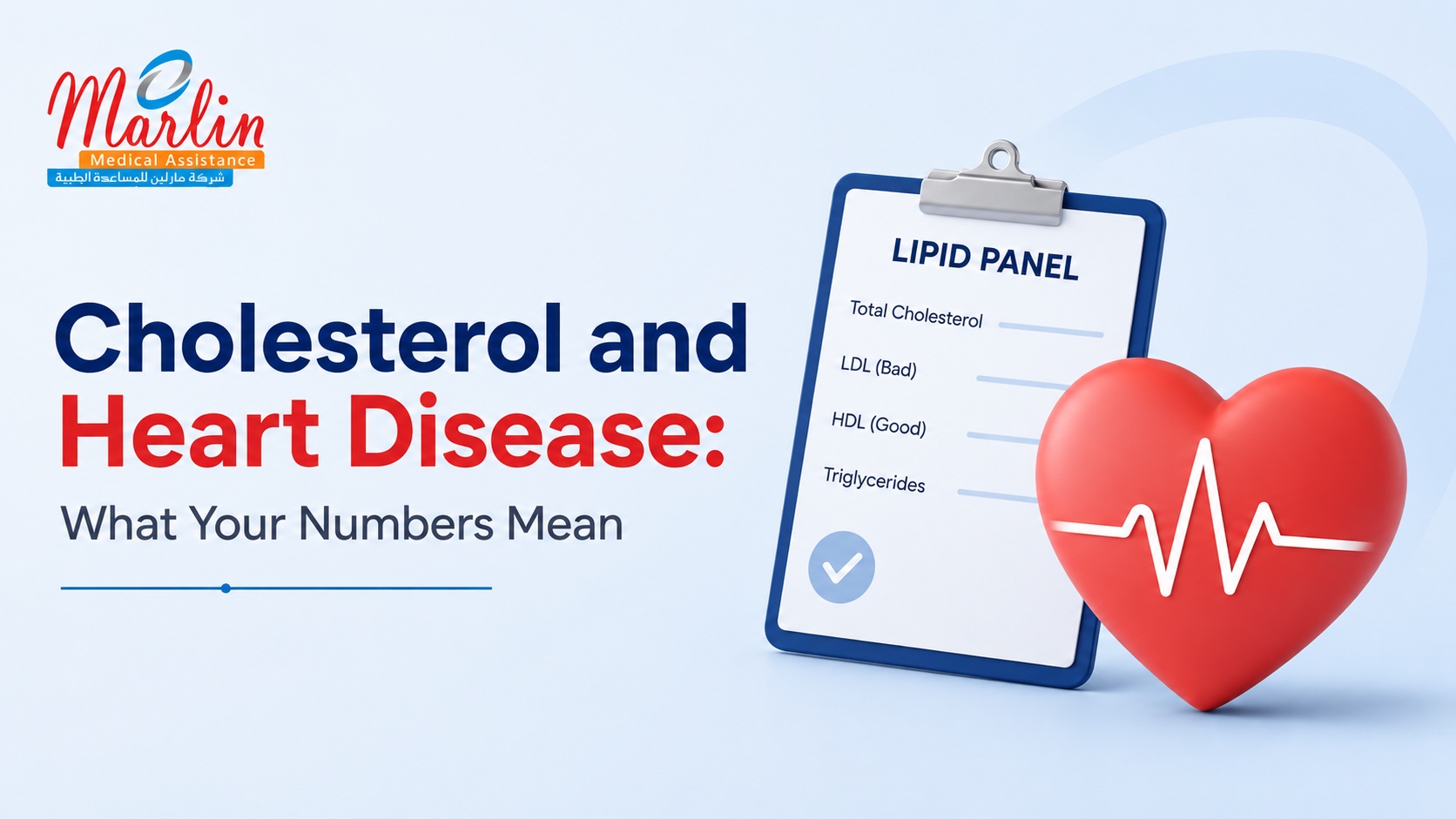
A lipid panel is a blood test that measures all of your cholesterol numbers at one time. Your doctor will usually require you to fast for 9 to 12 hours before the draw so that the results are accurate.
Here's what shows up on your report:
- A total of all the cholesterol that is circulating in the blood.
- LDL - the bad kind.
- HDL - the good kind.
- Blood Lipids include Triglycerides - a further form of blood fat.
No degree in medicine to interpret this. Once you know what that number should be, the report can then interpret itself.
What Do The Numbers Actually Mean?
Here is a quick summary of the total cholesterol normal range as well as other targets on a lipid panel, as per the American Heart Association guidelines.
| Test | Healthy | Borderline | High Risk |
|---|---|---|---|
| Total cholesterol | Below 200 mg/dL | 200-239 mg/dL | 240 mg/dL and above |
| LDL (bad) | Below 100 mg/dL | 100-159 mg/dL | 160 mg/dL and above |
| HDL (good) | Above 60 mg/dL | 40-59 mg/dL | Below 40 mg/dL |
| Triglycerides | Below 150 mg/dL | 150-199 mg/dL | 200 mg/dL and above |
According to the American Heart Association, a triglyceride level in the bloodstream for a normal, healthy person is less than 150 milligrams per deciliter. A healthy level for you individually may vary slightly depending on your age, weight, and family background; discuss this with your doctor.
Don't brush off this number just because it's not labeled "cholesterol". The connection between triglycerides heart risk is well proven. Particularly when a high triglyceride level occurs simultaneously with a low HDL. That is a formula for increased risk of a heart attack, even if your LDL appears normal.
What Cholesterol Levels Are Dangerous for Your Heart?
Having a high number isn't necessarily an indication that you've got a big problem. But a few combinations should give you concern.
Watch out for-
- Total cholesterol above 240 mg/dL
- LDL above 160 mg/dL
- HDL below 40 mg/dL
- Triglycerides above 200 mg/dL
By the Numbers
Cardiovascular disease remains the number one killer in global mortality. In 2022 it claimed 19.8 million lives accounting for 32% of all deaths worldwide. More than 3 out of 4 of these deaths occurred in the world's lower and middle income countries.
Based on: World Health Organization (WHO). As of the year 2025.
Over time, LDL cholesterol accumulates and forms a substance called plaque. This plaque can cause narrowing of the arteries and create a total blockage to the brain or heart. This is what causes a stroke or heart attack.
The frightening thing? Elevated levels of cholesterol will show no symptoms. It's possible to have no clues even if your health is "great" and still be susceptible. That's exactly why it's so important to get tested regularly wherever you happen to be!
Your total risk is not measured by cholesterol alone. Your doctor will consider blood pressure, blood sugar and family history collectively. Two people with the same LDL value could have very different risk factors when all of these other things are factored in. This is why your doctor might use a risk calculator in conjunction with a lipid panel to determine your course of action.
Causes of High Cholesterol in East African Populations
Cholesterol concerns were traditionally considered a disease of the "West". However this is changing very rapidly.
It is expected that 3 million new cases of elevated total cholesterol will occur in Kenya alone between 2018 and 2025. Increasing urbanization and changing food habits are contributing to rising prevalence across the continent.
Common causes in Kenya and Tanzania include:
- Evasive foods - more fried street eats and more processed snack foods replacing staples such as sukuma wiki, beans, and guri prepared from whole flour.
- Reduced physical activity - sales jobs and urban areas result in less walking and tending agricultural fields.
- Increasing obesity- excess body fat commonly causes blood cholesterol to increase.
- Diabetes- untested, blood sugar & other blood problem usually associated with high cholesterol.
- Family history - some families have a predisposition to high cholesterol.
- Tobacco and alcohol use- both can damage your blood vessels and depress your good cholesterol.
A 2024 study in rural western Kenya revealed that dyslipidaemia which is defined as abnormal levels of lipid profile in the blood, including high total cholesterol, high LDL, high triglycerides, or low HDL, has been established to be a major driving risk factor for cardiovascular disease via formation of plaque in arteries. This is no longer an urban phenomenon. It is increasingly appearing in rural communities too.
How to Lower Your Cholesterol - Medication and Lifestyle
Well? What’s the good news? High cholesterol is very responsive to change. You don't have to endure a "bad number." A practical diet lower cholesterol Africa is not centered around imported foods and can work well within your own market.
Lifestyle Changes That Work
- Increase your intake of fibre. Include beans, lentils, oats and more vegetables in your diet as they aid the removal of cholesterol.
- Reduce the intake of fried and greasy foods. Consider replacing fried chappati or mandazi with more baked or boiled counterparts more frequently.
- Get active every day. Just a half-hour walk, 5 times a week, can have a real impact.
- Keep an eye on your weight. A reduction of a few pounds can help cut down LDL.
- Kicking the habit. You can start to see improvements in your HDL after a few weeks.
- Cut back on alcohol. Excess consumption skyrockets triglycerides.
When Medication Comes In
Lifestyle changes alone may not be enough at times, particularly if your number is very high or you already have heart disease. In this case, your doctor may give you a statin.
Statins decrease the production of cholesterol in your liver. These are among the most prescribed and investigated medications used in the treatment of heart disease. The availability of statin medication Africa has increased greatly over the past decade due to the increased availability of generic versions of the heart drug, quickly filling the shelves of local pharmacies.
Cholesterol Testing in Kenya and Tanzania - Where and When
If you are looking to get a cholesterol test Kenya, most Public Hospitals, Private clinics, and Diagnostic labs in towns and cities offer such a test. All large towns and Cities in Kenya, including Nairobi, Mombasa and Kisumu, have facilities that offer Lipid Panel tests. In Tanzania, similar testing can be done in government hospitals and private labs in Dar es Salaam, Arusha and other regional centres.
When should you get tested?
Why wait to get checked until you are feeling ill? The American Heart Association suggests that adults should be checked for cholesterol every 4 to 6 years beginning at the age of 20.
You may need testing more often if you:
- If you already have high cholesterol or heart disease
- Suffer from diabetes or hypertension.
- Are overweight
- Family history of heart disease.
- Smoke
If the cost is an issue, enquire at your local clinic about NHIF coverage or other community health outreach programs. In Kenya, many county health departments hold free or subsidised screening days, particularly around World Heart Day.
Monitoring Cholesterol on a Heart-Healthy Diet
Just as heart-healthy living is not a one-time event, managing your cholesterol requires ongoing monitoring and adjustments, similar to maintaining a garden.
Simple ways to stay on track:
- Record your test results in a small notebook or on your phone every time, so you can watch your trend.
- Use better oils less often, and cook from scratch. Use lower-fat options and grill or boil instead of deep-frying.
- Include more vegetarian options in your weekly plan, benefiting from the use of beans, lentils, and vegetables that you are already familiar with.
- Opt for the whole fruit instead of drinking the juice, as juice drives up your triglycerides a lot quicker.
- Verify your figures again using the schedule that your physician suggests. Make sure you bring all these records with you to every appointment.
Little, steady habits defeat big, short-lived changes. Your heart doesn't need perfect. It needs regular.
Get your consultation from Marlin today