1. Home
  2. Treatments
  3. Cardiac Arrhythmia

Everything You Need To Know About Cardiac Arrhythmia Treatment

Cardiac arrhythmia is an irregular heartbeat that may feel like a racing or fluttering heart. It is not always critical but may sometimes hint a fatal heart problem. Heart arrhythmia treatment might include medicines, pacemakers, and a procedure or surgery. Here, we will see everything about cardiac arrhythmia, such as what is cardiac arrhythmia, what are the causes and symptoms of cardiac arrhythmia, what are the symptoms of cardiac arrhythmia, how to diagnose cardiac arrhythmia, what are the treatments for cardiac arrhythmia, who are the best doctors for cardiac arrhythmia treatment in India, and which are the top hospitals for cardiac arrhythmia treatment in India.

Reach out to world-class doctors for exceptional health care solutions

48

You must agree before submitting.

Table Of Index

What is cardiac arrhythmia?

What is cardiac arrhythmia?

A Cardiac arrhythmia refers to an irregular heartbeat. Heart arrhythmia happens when the electrical signals that induces the heart to beat fail to work properly. The heart might beat too slow or too fast. The patterns of the heartbeat can also be inconsistent. A heart arrhythmia can feel like a racing or pounding heartbeat. While some heart arrhythmia can be harmless, others might lead to life-threatening symptoms. Cardiac arrhythmia treatment might include devices like pacemakers, medicines, or a procedure or surgery. The aim of treatment is to control fast, slow or irregular heartbeat.

Types of cardiac arrhythmia

Atrial Fibrillation: Atrial Fibrillation, also known as AFib, is a common form of arrhythmia and happens more frequently with age. The conditions occurs when the upper heart chambers quiver instead of beating regularly. Individuals with AFib experience palpitations, chest discomfort, fatigue, or shortness of breath. However, in certain cases, there might not be any symptoms.

Atrial Flutter: Atrial flutter is a type of cardiac arrhythmia similar to atrial fibrillation, although the fast heartbeat may be more regular. Many individuals with atrial flutter may suffer from atrial fibrillation over time. This condition may make it harder for the heart to pump blood into the ventricles, which refers to the lower chambers of the heart. Atrial flutter could be chronic or it can go and come. The problem can be treated by slowing down electrical impulses that travels from the top chambers of the heart to the bottom chambers.

Bradycardia: Also called a slow heartbeat, bradycardia might result from problems with the heart's electrical system. This condition can be caused by electrolyte abnormalities, aging, medications, and abnormal thyroid function. Sometimes this problem may occur in athletic individuals or people taking medications.

Tachycardia: Tachycardia (fast heartbeat) can have several causes. The heart typically beats faster during physical activity or emotional stress. However, when the heart races in other times or for a long period of time, you must have it evaluated.

Ventricular fibrillation: Rapid electrical signals trigger the lower heart chambers to quiver rather than squeezing in a coordinated way. This problem may lead to death in case a regular heart rhythm is not restored immediately.

Causes and Symptoms

Causes

  • Heart attack
  • Blocked heart arteries
  • Changes to the heart's structure
  • High blood pressure, diabetes
  • Some medicines
  • Drinking alcohol or caffeine
  • Genetics, drug misuse
  • Stress, anxiety
  • Smoking

Symptoms

  • Shortness of breath
  • Racing feeling in the chest
  • Fast heartbeat
  • Chest pain
  • Slow heartbeat
  • Fatigue, anxiety
  • Sweating
  • Lightheadedness/ dizziness
  • Fainting

Diagnosis

Echocardiogram (ECG): This test makes use of sound waves to create images of the beating heart. It will show the structures of the heart as well as heart valves. This test can also measure the strength of your heart. It will also show how the blood flows through the heart.

Electrocardiogram (Echo): This test helps measure the electrical activity of your heart. It will reveal how fast or how slow your heart is beating. Sticky patches known as sensors are placed on the chest and sometimes on the arms or legs.

Event recorder: This is a portable ECG device that is wo for around 30 days or until arrhythmia symptoms occur. The patient generally presses a button when symptoms are experienced.

Holter monitor: This portable ECG device is wo for a day or more to accurately record the heart's activities.

Implantable loop recorder: If arrhythmia symptoms are too infrequent, an event recorder will be implanted under your skin in the chest area. The device will continuously record the heart's electrical activity and detect irregular heart rhythms.

Risk & Complications

Risks and complications of cardiac arrhythmia surgery will vary for each individual. This will depend on personal health, the type of procedure performed, and personal risk factors. Potential complications of cardiac arrhythmia surgery include arrhythmia, infection, stroke, heart attack, damage to blood vessels, blood clots, kidney damage, bleeding, memory and other cognitive problems. Factors that might raise the risk of complications include the extent of heart damage, having multiple grafts at a time, having chronic conditions, older age and being overweight or obese.

Preparation of Treatment

The doctor will order some tests to record the heart’s electrical activity and rhythm. They might also ask you about any other conditions you have, such as kidney disease or diabetes. The doctor will generally tell you not to drink or eat anything after midnight the night before the surgery. You might need to stop taking any medications that could increase the risk of excessive bleeding, including warfarin (Coumadin), aspirin (Bufferin), or any other types of blood thinners. Sometimes, some cardiologists can tell you to continue these medications. Make sure to discuss it with the doctor before surgery. Quit smoking and drinking alcohol as these may interfere with the procedure and affect recovery.

Best Doctors for Cardiac Arrhythmia Treatment

undefined treatment

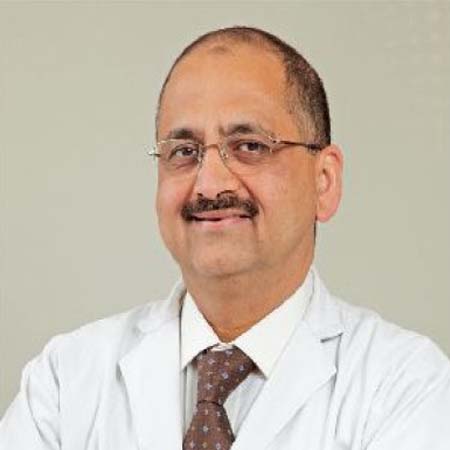
Dr. Ashok Seth

38+ Yrs. Exp.MBBS, MDChairman of Interventional Cardiology
undefined treatment

Dr. K. K. Saxena

43+ Yrs. Exp.MBBS, MD (Medicine), DM (Cardiology)Cardiologist

Best Hospitals for Cardiac Arrhythmia Treatment

Fortis Escorts Heart Institute, Delhi

Fortis Escorts Heart Institute, Delhi

Fortis Escorts Heart Institute, Delhi Okhla Road, New Delhi - 110 025 (INDIA)

Prevention

How to prevent cardiac arrhythmia?

Arrhythmia generally occurs in damaged hearts and may worsen their condition. Although the condition responds well to treatment and irregular heart rhythms could be controlled, following a healthy lifestyle can mitigate risk. Below are some steps to prevent cardiac arrhythmia.

Diet: Avoid food that are high in saturated fats and trans-fats 

Salt: Control intake of salt

Exercise: Around 40-45 minutes of physical activity, 3 times a week would help prevent cardiac arrhythmia.

Control Stress: Yoga, meditation and engaging in some activities the person enjoys may help control stress.

Treatment Option

Catheter ablation: In this surgical procedure, the doctor inserts catheters into the blood vessels going to the heart. Small sensors at catheter tips use cold or heat energy to make tiny scars in the heart. The scars will block irregular heart signals restoring the heartbeat.

Pacemaker: If slow heartbeats do not have a cause which can be fixed, a pacemaker could be required. A pacemaker is a device placed in the chest in order to help control heartbeat.

Implantable cardioverter-defibrillator: This small device is placed below the skin around the collarbone. It will check the heart rhythm. If the device detects an irregular heartbeat, it will send out high or low-energy shock to reset heart's rhythm.

Coronary bypass graft surgery: If you have a coronary artery disease with irregular heartbeat, you might need this heart surgery. The surgery will create a new path which will help blood flow near a blocked and partially blocked artery in your heart.

Vagal maneuvers: These are specific actions which could slow down the heart rate. They include coughing, having a bowel movement and placing an ice pack on face. These actions will affect the vagus nerve and the nerve helps control heartbeat.

Cardioversion: Paddles on the chest are used to produce an electrical shock in the heart and help reset heart rhythm. Cardioversion is generally used in case vagal maneuvers as well as medicines do not work. The doctor might recommend this type of treatment if the patient has a certain type of arrhythmia like atrial fibrillation.


Medicines: Medicines used for treating heart arrhythmias will depend on the type of irregular heartbeat and complications. Most people with tachycardia will be given medicine in order to control heart rate and rhythm. If a patient has atrial fibrillation, blood thinners will be given to prevent blood clot.

Cost of the treatment

Cost of cardiac arrhythmia treatment

The average cost of cardiac arrhythmia treatment in India ranges from $2,500 to $3,000. Cardiac arrhythmia treatment cost in India is around one fourth of the cost that in the UK and the US and other developed countries. The cost of cardiac arrhythmia treatment in India will depend on numerous factors like the hospital where the treatment is being provided, the patient's medical condition and the type of treatment required. Some other expenses which are associated with cardiac arrhythmia treatment in India include diagnostic tests, medications and follow-up care.

Recovery

Recovery after cardiac arrhythmia treatment

Recovery from cardiac arrhythmia surgery will take around one week. Discomfort and soreness in the area where the catheter is inserted is normal, and you will be able to resume normal activity within a few days. However, you must avoid lifting heavy weight or strenuous workout for around 1 to 2 weeks. Always follow the doctor’s instructions about your medications, follow-up visits and activities. If you feel unusual pain and swelling, consistent heart irregularities, and excessive bleeding at the incision, contact the doctor immediately.

Recovery

Frequently Asked Questions About Cardiac Arrhythmia

Heart arrhythmia may sometime go away on its own. However, if you see any symptoms that go along with arrhythmia, you must get it checked out as soon as possible.

If not treated, cardiac arrhythmia can damage the brain, heart, or other organs. This may lead to life-threatening stroke, cardiac arrest, or heart failure. In cardiac arrest, the heart suddenly stops beating, leading to death if it is not treated immediately.

Cryoablation is a safe method of treating the most common irregular heartbeats (or arrhythmias) in both adults and children, with less chances of complications than other treatments.

Atrial fibrillation isn’t considered a life-threatening arrhythmia. However, if episode of arrhythmia is prolonged, there is a risk of blood clot formation which can lead to stroke. In some cases, some sort of medications that prevent blood clots from forming is recommended. 

Our world-class medical experts would be happy to assist you.
or Call

Made in NextJs 13, by Digital Transformation Agency - Ima-appweb.com